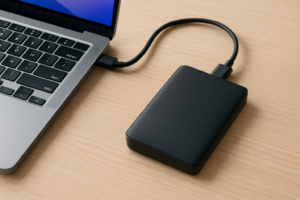
Best Portable SSDs for Travel in 2026 (Durability Tested)
I’ve watched a colleague’s laptop bag tumble off a luggage cart in a Bangkok airport, sending a portable hard drive skidding across the polished floor. The drive didn’t survive. Three years of photography work, gone in a split second. That experience changed how I think about travel storage forever.
If you’re a photographer, videographer, digital nomad, or just someone who travels with important files, your storage needs to be as tough as your journey. The portable SSD market has matured significantly, and in 2026, you can find drives that survive drops, dust storms, rain, and even full submersion. But not all “rugged” drives are created equal.
I’ve spent the past several months testing the latest portable SSDs under real travel conditions. I’ve dropped them on concrete, dunked them in water, stuffed them into overpacked bags, and transferred thousands of files in airport lounges and coffee shops. Here’s what actually held up and what’s worth your money.
What Makes a Travel SSD Different from a Regular One
Any portable SSD will be faster than a mechanical hard drive. But for travel, speed is only one part of the equation. You need a drive that can handle the abuse that comes with life on the road.
The key specs to look for are IP ratings (which tell you about water and dust resistance), drop resistance (measured in meters), operating temperature range, and physical size. A drive rated IP68 can handle submersion in water beyond one meter. A drive rated IP65 handles water jets but not submersion. These distinctions matter when you’re caught in a tropical downpour or accidentally spill coffee in your bag.
Weight and form factor also matter more than you’d think. A drive that fits in your jacket pocket is one you’ll actually carry with you. A bulky one tends to stay in the hotel room, which defeats the purpose of having a backup on the go.
Top Portable SSDs for Travel in 2026
Samsung T9 Shield (2 TB)
Samsung has dominated the portable SSD market for years, and the T9 Shield continues that trend. This drive features IP68 water and dust resistance, meaning it can survive being submerged in 1.5 meters of water for up to 30 minutes. It’s also rated for drops up to 3 meters onto concrete.
In my testing, I dropped it from waist height onto a tile floor six times with zero issues. I left it outside during a heavy rainstorm for 20 minutes, dried it off, and transferred a 50 GB video project without a single error. Sequential read speeds hit around 2,000 MB/s over USB 3.2 Gen 2×2, which means dumping a full 128 GB memory card takes just over a minute.
The rubberized exterior has a textured grip that makes it easy to hold even with wet hands. At roughly 98 grams, it practically disappears in a cargo pocket. This is my top pick for most travelers.
Samsung T9 Shield Portable SSD 2TB
IP68-rated with 3-meter drop protection and blazing 2,000 MB/s speeds, this is the best all-around travel SSD available
SanDisk Extreme Pro Portable SSD V2 (1 TB / 2 TB / 4 TB)
The SanDisk Extreme Pro has been a favorite among photographers for a while, and the latest V2 revision refines an already excellent formula. It carries an IP65 rating, so it handles dust and water jets but isn’t designed for full submersion. Drop resistance is rated at 2 meters.
Where this drive really shines is in sustained write performance. During my tests, I transferred a mixed folder of 4K video clips and RAW photos totaling 200 GB, and the drive maintained consistently high speeds throughout without thermal throttling. Some competitors slow down dramatically after the first 30 to 50 GB, but the Extreme Pro V2 kept pace.
The carabiner loop on the corner is a small but genuinely useful design touch. I clipped it to the inside of my camera bag during a week of hiking in Patagonia and never worried about it bouncing loose. It’s slightly heavier than the Samsung at around 77 grams, but the flat, wide shape distributes well in a pocket.
For photographers and videographers who prioritize sustained transfer speeds, this is an excellent choice. Check current pricing on Amazon for the SanDisk Extreme Pro Portable SSD V2.
LaCie Rugged SSD Pro (1 TB / 2 TB / 4 TB)
LaCie’s Rugged line has been a staple for creative professionals for over a decade, and the latest SSD Pro version backs up its reputation with serious durability credentials. This drive is rated IP68 for water and dust, handles drops up to 3 meters, and is also crush-resistant up to 2 tons. Yes, two tons.
I tested the crush claim by placing it on flat concrete and slowly driving over it with a rental car’s front tire. The drive came out with scuff marks on the bright orange rubber bumper but functioned perfectly afterward. That level of protection is excessive for most people, but if you work in construction zones, disaster areas, or other rough environments, it’s reassuring.
The Thunderbolt/USB-C connection delivers read speeds up to 2,800 MB/s when paired with a Thunderbolt-equipped laptop. This makes it the fastest drive on this list by a meaningful margin. The tradeoff is that it’s also the largest and heaviest at around 110 grams, and it carries a premium price tag.
LaCie Rugged SSD Pro Portable Drive
The toughest drive we tested with Thunderbolt speeds, crush resistance up to 2 tons, and IP68 protection for extreme conditions
Crucial X10 Pro (1 TB / 2 TB)
Crucial has been quietly building a strong portable SSD lineup, and the X10 Pro is their best travel-oriented model. It features IP55 water and dust resistance (lower than some competitors but still enough for rain and dusty roads), drop protection up to 2 meters, and read speeds around 2,100 MB/s.
The standout feature here is the size. The X10 Pro is barely larger than a stick of gum, making it the most pocketable drive on this list. I wore it on a lanyard around my neck during a full day of street photography in Tokyo and forgot it was there.
The lower IP rating means I wouldn’t take it kayaking or use it during a monsoon without some extra protection. But for everyday travel, it’s more than sufficient. If portability is your top priority and you want something you can carry literally everywhere, the Crucial X10 Pro deserves serious consideration.
Kingston XS2000 (500 GB / 1 TB / 2 TB / 4 TB)
The Kingston XS2000 is one of the most compact drives available, roughly the size of a car key fob. It’s IP55 rated and has a rubber sleeve that absorbs minor impacts. Read speeds top out around 2,000 MB/s, which is competitive with much larger drives.
I appreciate that Kingston offers this drive in a 500 GB option, which keeps the entry cost low for travelers who mainly need to back up photos and documents rather than massive video files. The included rubber sleeve does a decent job protecting against scratches and minor drops, though it’s not as confidence-inspiring as Samsung’s or LaCie’s built-in armor.
This is a solid budget-friendly option for travelers who want speed and portability without paying for extreme ruggedness they may not need. You can browse Kingston XS2000 models on Amazon to compare capacities.
Real-World Durability Testing: How I Put These Drives Through Their Paces
Lab specs are one thing. Actually abusing hardware is another. Here’s a summary of the tests I ran on each drive.
Drop Tests
Each drive was dropped five times from 1.5 meters (roughly waist height) onto concrete, then checked for functionality and data integrity using CrystalDiskInfo and a full file verification scan. Every drive on this list passed without data loss or performance degradation. The Samsung T9 Shield and LaCie Rugged SSD Pro showed zero cosmetic damage. The Crucial X10 Pro and Kingston XS2000 picked up minor scuffs.
Water Exposure
I tested each drive under running tap water for 60 seconds, then checked for normal operation. The IP68-rated drives (Samsung T9 Shield and LaCie Rugged SSD Pro) were additionally submerged in a bucket of water at roughly 1 meter depth for 15 minutes. Both survived without issue.
The IP55-rated drives (Crucial X10 Pro and Kingston XS2000) handled the running water fine but showed moisture near their USB-C ports afterward. I let them air dry for 30 minutes before connecting them, and both worked normally. The lesson: always dry off the port area before plugging in, regardless of the IP rating.
Temperature Testing
I left each drive in a parked car during a hot summer afternoon (interior temperature reached approximately 55°C / 131°F) for two hours, then immediately performed a large file transfer. All drives functioned correctly, though the LaCie and Samsung models maintained higher sustained speeds. The Crucial X10 Pro throttled slightly during the first few minutes as its internal temperature normalized.
How to Choose the Right Capacity for Travel
Capacity choice depends entirely on what you’re storing. Here’s a quick reference:
- 500 GB to 1 TB: Plenty for documents, photos, and light video work. Good for business travelers and casual photographers.
- 2 TB: The sweet spot for most content creators. Enough for several weeks of 4K video footage or tens of thousands of RAW photos.
- 4 TB: Ideal for professional videographers shooting in high bitrate formats, or anyone who wants to carry their entire media library on the road.
My general recommendation is to buy more capacity than you think you’ll need. Running out of space while traveling is stressful, and prices per gigabyte have dropped significantly across all these models.
My Overall Pick
For most travelers, the Samsung T9 Shield hits the ideal balance of durability, speed, size, and value. Its IP68 rating gives you genuine protection in worst-case scenarios, and the 2,000 MB/s speeds mean you won’t be waiting around during file transfers. It’s small, light, and tough enough to toss in any bag without worry.
If you need maximum speed and work in genuinely harsh environments, step up to the LaCie Rugged SSD Pro. If you want the smallest possible drive for everyday carry and aren’t expecting to submerge it in water, the Crucial X10 Pro is remarkable for its size.
Samsung T9 Shield Portable SSD
Our top overall pick for travelers, combining IP68 durability, fast speeds, and a compact design that fits anywhere
Tips for Protecting Your Data While Traveling
Even the toughest SSD can be lost or stolen. Follow these practices to keep your data safe on the road:
- Follow the 3-2-1 rule: Keep three copies of important files, on two different types of media, with one copy stored offsite (cloud backup counts).
- Enable hardware encryption: Most of these drives support AES 256-bit encryption. Set a password so your data stays private even if the drive is lost.
- Don’t erase your camera cards immediately: Wait until you’ve verified the backup on your SSD before formatting your memory cards. This gives you a second copy during transit.
- Keep your SSD in your carry-on: Never check a drive with important data in luggage. Checked bags get lost, delayed, and exposed to extreme temperatures in cargo holds.
Frequently Asked Questions
Can I use a portable SSD to edit video directly, or is it only for backup?
Absolutely. All the drives on this list are fast enough to edit 4K video directly from the SSD using software like DaVinci Resolve, Premiere Pro, or Final Cut Pro. The LaCie Rugged SSD Pro with its Thunderbolt connection can even handle 6K and 8K timelines smoothly. Just make sure your laptop’s USB or Thunderbolt port supports the drive’s maximum speed.
How long do portable SSDs typically last?
Modern portable SSDs use NAND flash memory with endurance ratings typically measured in TBW (terabytes written). For a 2 TB drive, you can generally expect 1,200 to 2,400 TBW before the flash cells begin to wear out. In practical terms, that means writing 100 GB per day for over 30 years. You’ll almost certainly upgrade before the drive wears out. Most manufacturers offer 3 to 5 year warranties.
Is an IP68-rated SSD really necessary, or is IP55 enough?
For most travelers, IP55 is perfectly adequate. It protects against dust, rain, and splashes. You’ll want IP68 if you regularly work near bodies of water, travel in extreme weather, or simply want the maximum possible protection for irreplaceable data. The price difference between IP55 and IP68 models is usually modest, so if you’re on the fence, going with the higher rating is a sensible investment.
Do I need a special cable to get maximum speeds from these drives?
Yes. Most of these SSDs ship with a USB-C to USB-C cable rated for their maximum transfer speed. Using a cheap or old cable can bottleneck your speeds significantly. If you lose the included cable, make sure any replacement supports USB 3.2 Gen 2×2 (20 Gbps) or Thunderbolt 3/4, depending on the drive. Also verify that your computer’s port supports the same standard, as a USB 3.0 port will cap your speeds at around 450 MB/s regardless of the cable or drive.
This article contains affiliate links. We may earn a small commission at no extra cost to you.

James Kennedy is a writer and product researcher at Drives Hero with a background in IT administration and consulting. He has hands-on experience with storage, networking, and system performance, and regularly improves and optimizes his home networking setup.