Should I Upgrade Ram Or Ssd Macbook Air M2
Accurate Answer
Upgrading to an SSD on a MacBook Air M2 typically provides a more noticeable improvement in performance compared to upgrading RAM, as it directly affects data transfer speeds and the overall snappiness of the system.
Explanation
When it comes to upgrading your MacBook Air with an M2 chip, you have a couple of options: upgrading RAM (Random Access Memory) or upgrading the SSD (Solid State Drive). The choice between the two can significantly impact your MacBook’s performance, depending on your usage.
- RAM Upgrade: RAM is your computer’s short-term memory, used to store data that is currently being used or processed. More RAM allows for more applications to run simultaneously and can also help with tasks that require a lot of memory, such as video editing or 3D rendering.
- SSD Upgrade: An SSD is where all your data is stored permanently. Upgrading your SSD can greatly improve the speed of booting up your MacBook Air, launching applications, and opening large files. It’s particularly beneficial for speeding up read and write operations.
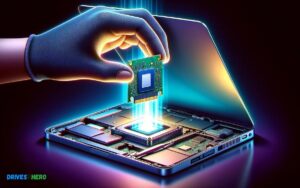
In most cases, upgrading the SSD will offer a more noticeable boost to your MacBook’s performance, especially if your current SSD is nearly full or if you frequently work with large files. However, it’s worth noting that the MacBook Air M2 has a unified memory architecture and the memory is soldered onto the motherboard, making aftermarket RAM upgrades virtually impossible. This means you should choose the right amount of RAM at the time of purchase.
If you’re a heavy multitasker or use memory-intensive applications, opt for more RAM when buying the MacBook. If you need faster storage and more of it for files and applications, consider upgrading the SSD after purchase, if the design permits, or choose a model with a larger SSD from the

Key Takeaway
Introduction To Upgrade Decisions For Macbook Air M2
Making the right upgrade decision for a MacBook Air M2 can transform your user experience, tailoring it to your specific needs. Whether you’re considering boosting your device’s memory with more RAM or enhancing storage speed with a new SSD, it’s important to base your choice on how you use your Mac and what you need it to do. It’s not just about supercharging your Mac; it’s about aligning the upgrade with your workflow and budget. Before reaching a decision, let’s break down the differences between RAM and SSD upgrades, analyze usage habits, and weigh the cost versus performance benefits.
Understanding The Components: Ram Vs. Ssd
RAM (Random Access Memory) and SSD (Solid State Drive) represent two critical but distinct parts of your MacBook Air M2, each influencing system performance in unique ways. RAM is your system’s short-term memory, which influences how well your computer can multitask and handle high-demand applications. On the other hand, an SSD is your system’s storage solution, impacting how quickly your Mac starts up, loads applications, and transfers files.
- RAM – Essential for seamless multitasking and running demanding software.
- SSD – Determines boot time, file access speed, and overall system responsiveness.
Assessing Your Usage Patterns And Needs
To determine whether a RAM or SSD upgrade will best serve your purposes, reflect on your typical MacBook usage. Do you often juggle multiple apps or edit large media files? These scenarios hint at a need for more RAM. Conversely, if you’re struggling with storage space or crave faster read-write speeds, pondering an SSD upgrade might be the way to go. Catalog your daily tasks and decide which component, when upgraded, will make a substantial impact on your productivity and comfort.
- Analyze multitasking and application demands for RAM consideration.
- Evaluate storage capacity needs and speed expectations for SSD upgrades.
Balancing Performance And Budget Considerations
Upgrading your MacBook Air is an investment; hence, balancing the cost with the expected performance enhancement is crucial. While more RAM could mean a smoother multi-tasking experience, it’s not necessary for every user. An SSD upgrade might offer a significant speed boost but at a higher financial outlay. Take into account the longevity and utility of your investment, comparing the price of upgrades against the tangible benefits you’ll gain in daily use.
| Upgrade | Performance Benefit | Cost Range |
|---|---|---|
| RAM | Improved multitasking and application performance. | Varies by desired size increase. |
| SSD | Faster start-up times, app loading, and file transfers. | Dependent on capacity and read/write speeds. |
By aligning your MacBook’s technical potential with your personal or professional demands, you ensure a wise investment in its capabilities for years to come.
The Advantages Of Upgrading Ram
When contemplating an upgrade to your MacBook Air M2, the question often arises: should you go for more RAM or a larger SSD? While storage is indeed crucial, let’s dive into the advantages of upgrading RAM and why it can be an incredibly worthwhile investment for your device.
Multitasking And Memory-intensive Applications
Upgrading your MacBook Air’s RAM opens up a new realm of efficiency when dealing with multitasking and memory-hungry applications. Here’s how:
- Seamless multitasking: With more RAM, your MacBook can handle more applications simultaneously without a hitch.
- Professional software usage: High-end programs, such as video editing or 3D modeling software, often require substantial memory to operate smoothly.
Increasing RAM ensures that your MacBook keeps up, even with the most demanding tasks.
Impact On System Speed And Responsiveness
An upgrade in RAM significantly affects your MacBook’s overall performance:
| Performance Aspect | Impact of RAM Upgrade |
|---|---|
| Boot times | Quicker start-up and faster wake-from-sleep times. |
| Application launch speed | Apps open promptly, reducing waiting time. |
| Data processing | More efficient handling of complex calculations and tasks. |
Upgrading RAM is akin to widening a highway; it allows for more data traffic to pass through simultaneously, reducing bottlenecks and speeding up your system.
Considerations For Future-proofing Your Device
Investing in a RAM upgrade is not only about present needs but also about securing your MacBook’s relevance in the future:
- As software requirements grow, additional RAM will help maintain compatibility with new applications and operating systems.
- Resale value may improve, as higher specifications tend to appeal more to second-hand buyers.
- Reduced need for upgrades in the short-term leads to longer intervals between device replacements.
Choosing more RAM translates to a more robust MacBook that’s prepared for both current challenges and future advancements in technology.
The Benefits Of Upgrading Ssd
Considering an upgrade for your MacBook Air M2? The benefits of upgrading to a Solid State Drive (SSD) are substantial. An SSD upgrade can revitalize your MacBook’s performance in various ways. From accommodating your ever-growing media collection to enjoying rapid boot and file access times, the perks of SSDs are far-reaching. Let’s explore these enhancements in detail.
Improved Storage Capacity For Media And Documents
With the digital age accelerating, your MacBook Air M2 needs extra space to house all the photos, videos, applications, and documents. Upgrading the SSD means amplifying your storage capabilities, allowing you to store larger files and manage data with ease. The immediate gain in storage space eliminates concerns about running out of room and provides a future-proof solution as file sizes continue to grow.
Speed Enhancements In Data Transfer And Boot Times
The switch from a traditional hard drive to an SSD offers a quantum leap in speed. SSD technology accelerates data transfer rates, facilitating quicker loading of apps and files. Your MacBook’s startup time becomes nearly instantaneous, a game-changer for users who value efficiency. This speed increase extends to application performance, leading to a smoother user experience and enhanced productivity.
Ssd Lifespan: Wear And Tear Factors
Durability is another compelling reason to upgrade. SSDs possess no moving parts and are thus more resilient to physical shocks. This attribute ensures a longer lifespan and makes an SSD a solid investment. Despite concerns about wear and tear due to frequent data writes, modern SSDs include advanced technologies that distribute the usage evenly, extending their operational life significantly beyond what was initially expected.
Upgrading Ram Vs. Ssd: Which One Is Right For You?
Upgrading your MacBook Air M2 involves a crucial decision: should you increase the RAM or switch to a faster SSD? This choice can significantly affect your system’s performance and workflow efficiency. Each upgrade serves a different purpose and caters to various user needs. Understanding the nuances between these upgrades will guide you to make the right choice for your specific usage scenario.
Analyzing Workload Types: Creative, Productive, And Casual Use
The decision to upgrade RAM or SSD largely hinges on your daily workload. RAM, or Random Access Memory, is critical for allowing your MacBook to handle multiple tasks simultaneously. Let’s examine how this choice aligns with different user types:
- Creative Professionals: For users handling video editing, music production, or 3D rendering, upgrading RAM can lead to smoother multitasking and faster processing times.
- Productivity Power Users: If your tasks include significant data analysis, running virtual machines, or intensive research with many tabs and applications open, more RAM can yield a more responsive experience.
- Casual Computing: Everyday tasks such as surfing the web, streaming videos, or using office applications may not require additional RAM but could benefit from an SSD upgrade for quicker boot and load times.
Long-term Performance: Predicting Software Demands
Considering the longevity of your MacBook Air M2 is essential. Software and applications are constantly evolving, often requiring more resources to run effectively. An investment in RAM might be the wise move if you foresee engaging in more demanding tasks or keeping your device for many years. On the other hand, if speed is a priority and you often deal with large files or need to load applications quickly, an SSD upgrade could prove more beneficial in the long run.
Cost-to-benefit Ratio: Maximizing The Value Of Your Upgrade
When contemplating an upgrade, evaluate the cost-to-benefit ratio for your specific use case. Upgrades can be expensive, and ensuring you receive the best return on your investment is key. Consider the following:
- Upgrade Price: RAM upgrades tend to be costlier, but the benefit is a smoother multitasking experience.
- SSD Price: Modern SSDs are becoming more affordable and can deliver a significant speed improvement over traditional hard drives.
- Real-World Usage: Align the upgrade with your actual computing habits, if you rarely max out your current RAM or if you’re consistently running low on storage, the upgrade decision should address that bottleneck.
In conclusion, the right upgrade depends on your specific needs and workloads. Weigh your options carefully, considering the immediate performance boost versus long-term usability, to ensure optimal performance and productivity from your MacBook Air M2.
Step-by-step Guide On Upgrading Your Macbook Air M2
Boosting the performance of a MacBook Air M2 may be on your mind, and deciding whether an upgrade to RAM or SSD is the best course of action can be quite a dilemma. The following guide provides you with a detailed walkthrough of the upgrade processes, helping you make informed decisions and execute your upgrades smoothly.
Pre-upgrade Preparations: Backup And Compatibility Check
Before any upgrade, safety and compatibility are paramount. Taking the right preparatory steps ensures data security and upgrade success. Here’s how to start:
- Backup: Use Time Machine or your preferred backup method to secure all your data.
- Compatibility: Research and confirm that your Mac’s model allows for the intended hardware upgrades.
How To Upgrade Ram: A Diy Guide (if Applicable)
Understand that RAM upgrades on a MacBook Air M2 are not possible for most users. The M2 MacBook Air, like many of Apple’s recent notebooks, has its RAM soldered onto the motherboard – ruling out an easy DIY upgrade.
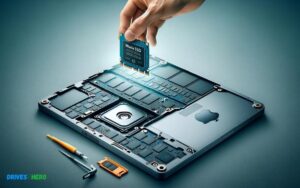
How To Upgrade Ssd: A Diy Guide
Upgrading your MacBook Air M2’s SSD can provide a substantial increase in storage and potentially boost overall performance. Follow these steps for a successful SSD upgrade:
- Compatibility Check: Verify that the SSD is compatible with your MacBook Air M2.
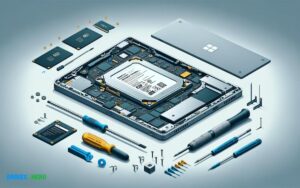
- Required Tools: Gather all necessary tools including Pentalobe and T5 screwdrivers.
- Shut Down and Disconnect: Power off your Mac and unplug all cables.
- Bottom Case: Remove the screws securing the bottom case of your Mac.
- Internal Bracket: Remove the bracket protecting the SSD.
- SSD Removal: Carefully unseat the original SSD from its slot.
- SSD Installation: Insert the new SSD firmly into the slot.
- Reassemble: Replace the bracket and bottom case, securing all screws back in place.
Note: Depending on the year of the MacBook Air M2, this step-by-step may not be applicable as SSD might not be user-replaceable.
Note: Not all MacBook Air models have user-replaceable SSDs. Be sure to confirm prior to any attempts.
Caution: While these guides provide general steps, professional assistance is recommended due to the complexity and potential for damage. Always consult with an expert if unsure about tackling these hardware changes on your own.
Post-upgrade Considerations And Maintenance
Embarking on a journey to enhance your MacBook Air M2 through a hardware upgrade, such as increasing RAM or switching to a high-speed SSD, is only the first step to boosting your device’s performance. Post-upgrade considerations and maintenance play a pivotal role in ensuring that the new hardware delivers its maximum potential and sustains peak performance over the long term.
Optimizing Macos Settings For New Hardware
Optimizing your macOS settings post-upgrade is essential for reaping the full benefits of your new RAM or SSD. Follow these steps to ensure your system is finely tuned:
- Adjust Energy Saver: Navigate to System Preferences > Energy Saver to optimize settings for performance or battery life based on your requirements.
- Monitor RAM usage: Utilize Activity Monitor to observe memory usage and manage applications efficiently.
- Enable TRIM for SSD: If upgrading to an SSD, ensure TRIM is enabled with the command
sudo trimforce enable, to maintain speedy data writes and prolong SSD lifespan.
Regular Maintenance To Ensure Long-term Performance
Regular maintenance becomes increasingly important with upgraded hardware. Keep your MacBook Air M2 running smoothly by:
- Cleaning up your disk: Delete unnecessary files and uninstall unused apps to free up space on your SSD.
- Updating macOS: Stay current with the latest updates, as they often include performance improvements and bug fixes.
- Running Disk Utility: Use Disk Utility to repair disk permissions and verify disk health routinely.
When To Consider A Professional Upgrade Service
While many tech enthusiasts take pleasure in DIY upgrades, certain scenarios call for professional service. Consider expert help when:
| Condition | Recommendation |
|---|---|
| Lack of Technical Knowledge | Seek professionals to avoid hardware damage. |
| Warranty Concerns | Upgrades by unauthorized service providers may void warranty; consult Apple’s authorized technicians. |
| Hardware Complexity | If the upgrade process is intricate for your specific model, professional service ensures correct installation. |
Conclusion: Making An Informed Decision
Before closing the chapter on upgrading your MacBook Air M2, it is crucial to assess all available information meticulously. Your final decision impacts your workflow, user experience, and potentially the longevity of your device. Let’s recap the advantages and disadvantages of both upgrades and guide you through a personalized decision-making process that aligns with your specific usage patterns and future technological developments.
Summarizing The Pros And Cons Of Each Option
| Upgrade Option | Pros | Cons |
|---|---|---|
| RAM Upgrade |
|
|
| SSD Upgrade |
|
|
Personalized Decision-making: What Suits Your Unique Needs
Selecting the appropriate upgrade for your MacBook Air M2 pivots on your daily tasks, workload, and the types of applications you frequently utilize. Examine these questions to assist your decision:
- Do your activities demand considerable multitasking and advanced computing tasks? If yes, extra RAM is beneficial.
- Are you often dealing with large files and programs, or require faster system and application load times? An SSD upgrade may offer the most immediate benefits.
- Does your work involve future-proofing for resource-intensive applications or keeping pace with technological advancements? Then investing in RAM could be the wiser choice.
Future Outlook: Preparing For Next-gen Macbook Air Innovations
Apple continues to innovate, which means future MacBook Air models will likely come with even more advanced features and enhanced performance capabilities. With this in mind, consider the following:
- The potential resale value of your MacBook may increase with higher RAM or SSD capacities, appealing to users looking for performance closer to the cutting-edge.
- Software and applications are rapidly evolving and may soon necessitate more robust hardware. Therefore, outfitting your system to meet future demands is not just prudent; it’s an investment in usability.
- The longevity of your device could extend significantly with either upgrade, but ensure that the chosen upgrade aligns with your predicted usage patterns over the next few years.
Conclusion
Deciding between a RAM upgrade and a new SSD for your MacBook Air M2 can transform your computing experience. Evaluate your specific usage to make an informed choice. Boosting RAM will enhance multitasking, while an SSD swap speeds up overall performance.
Optimize your Mac to suit your needs for a snappier, more efficient machine.

Harold Williams is a senior writer and technical editor at Drives Hero with 20+ years of experience in IT administration. He specializes in storage systems, SSD reviews, and performance testing, bringing real-world insight to every guide.