Intel Optane Speed Vs Ssd: Which One Is Superior?
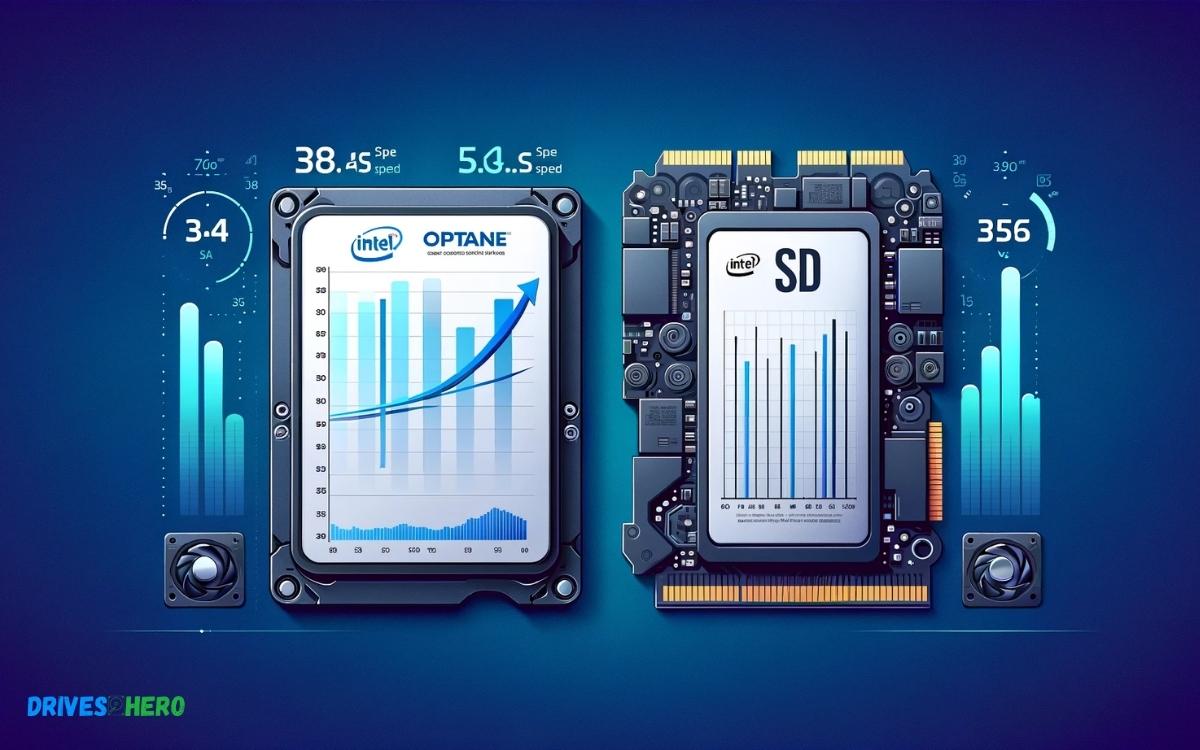
Intel Optane technology offers faster read/write speeds and lower latency compared to many standard SSDs, particularly under heavy workloads and with small file sizes.
Check out this helpful video on the topic:
Intel Optane is a unique storage technology that bridges the gap between dynamic RAM and storage to create a high-speed cache.
It operates on 3D XPoint technology, which is significantly faster and more durable than NAND, the technology used in traditional SSDs.
Here’s why Optane can outperform SSDs:
However, it’s important to note that the latest NVMe SSDs can compete closely with Optane in terms of speed, and for typical consumer use, the differences may not be as noticeable.
For users requiring peak performance under demanding conditions, Intel Optane can provide a noticeable edge in speed and efficiency over traditional SSDs.
Key Takeaway
8 Features Of Intel Optane Speed Vs Ssd
| Feature | Intel Optane | SSD (Solid State Drive) |
|---|---|---|
| Storage Technology | 3D XPoint non-volatile memory | NAND Flash memory |
| Speed (Read/Write) | Up to 2500/2000 MB/s | Varies (550/520 MB/s common) |
| Latency | <10 microseconds | ~50-100 microseconds |
| Endurance (Write Cycles) | Up to 30 Drive Writes Per Day | 0.3 to 10 Drive Writes Per Day |
| Operating Temperature Range | 0°C to 85°C | 0°C to 70°C |
| Typical Use Cases | Accelerating HDD, caching | Primary storage |
| Energy Consumption | Lower while idle, similar under load | Generally lower energy consumption |
| Cost | Higher cost per GB | Lower cost per GB |
Understanding Intel Optane Technology
Intel Optane technology has been making waves in the world of storage solutions, offering groundbreaking performance that challenges traditional SSDs.
Understanding Intel Optane technology is crucial for anyone considering a storage upgrade, as it promises to redefine storage speed and responsiveness.
What Is Intel Optane?
At its core, Intel Optane is a class of non-volatile memory. It is based on 3D XPoint technology, which bridges the gap between traditional DRAM and NAND-based SSDs.
This unique blend of technologies allows Intel Optane to deliver exceptional responsiveness and speed, making it an ideal solution for accelerating system performance, reducing latency, and enhancing overall user experience.
Benefits Of Intel Optane
When comparing Intel Optane to traditional SSDs, the benefits are substantial.
Here are a few compelling reasons why Intel Optane stands out:
- Unmatched Speed and Responsiveness
- Enhanced System Performance
- Low Latency
- Increased Endurance and Longevity
These advantages collectively contribute to a significant performance boost for storage-intensive applications, gaming, and overall system responsiveness.
Solid State Drive (SSD) Overview
When it comes to choosing the right storage solution for your computer, it’s essential to understand the differences between Intel Optane memory and SSD (Solid State Drive).
Overview Of Ssds
An SSD, or Solid State Drive, is a data storage device that uses integrated circuit assemblies to store data persistently, using flash memory.
Unlike traditional hard drives, SSDs do not have any moving parts, which results in faster read and write speeds, improved reliability, and reduced power consumption.
SSD technology has rapidly advanced over the years, offering various form factors such as 2.5-inch, M.2, and PCIe, catering to different computing needs and configurations.
Advantages Of Ssds
SSDs offer several advantages over traditional hard disk drives, making them a preferred choice for both personal and enterprise use:
- Faster Performance: SSDs provide significant speed improvements in terms of boot times, application loading, and file transfer compared to HDDs.
- Reliability: With no moving parts, SSDs are less prone to physical damage, resulting in higher durability and reliability.
- Energy Efficiency: SSDs consume less power compared to HDDs, leading to improved battery life in laptops and reduced electricity usage in desktop systems.
- No Noise: The absence of moving components in SSDs eliminates the noise associated with traditional hard drives.
In addition to these advantages, SSDs also offer enhanced data security, improved multitasking capabilities, and better performance in extreme temperatures, making them a versatile and robust storage solution for modern computing needs.
Speed And Performance Comparison
When it comes to storage solutions, speed, and performance are critical factors for users seeking optimal functionality.
To make an informed decision, understanding the speed and performance of Intel Optane and SSD can help determine which is best suited for specific needs.
Speed And Performance Of Intel Optane
Intel Optane, characterized by its innovative 3D XPoint memory technology, delivers exceptional speed and responsiveness.
The combination of high-speed storage and low latency ensures rapid access to data, which is beneficial for tasks requiring quick responsiveness.
With its impressive read and write speeds, Intel Optane accelerates system boot times, application launches, and data-intensive tasks, providing an overall seamless computing experience.
Speed And Performance Of Ssd
SSD (Solid State Drive) offers remarkable speed and performance, outperforming traditional HDDs significantly.
With no moving parts, SSDs provide fast data access, leading to reduced load times, quick file transfers, and efficient system responsiveness.
SSDs are ideal for users who prioritize speed and seek an upgrade from HDDs, offering improved overall system performance and reliability.
Use Cases And Applications
When it comes to exploring the use cases and applications of Intel Optane and SSD, understanding their unique functionalities is essential for determining which technology will best serve a particular purpose.
Both Intel Optane and SSD offer distinct advantages, making them suitable for different applications.
Intel Optane Applications
Intel Optane, with its exceptional speed and low latency, is well-suited for a range of applications that demand superior performance.
Some of the key Intel Optane applications include:
- Database Acceleration: Intel Optane can significantly enhance database performance, enabling faster data access and retrieval for improved overall efficiency.
- High-Performance Computing: With its ability to deliver high-speed data processing, Intel Optane is ideal for HPC applications such as scientific simulations and data analysis.
- Real-Time Analytics: Due to its rapid data access capabilities, Intel Optane accelerates real-time analytics, facilitating quick insights and decision-making.
SSD Use Cases
SSD technology, though not as fast as Intel Optane still offers substantial performance benefits for various use cases.
Some common SSD use cases include:
- Gaming: SSDs offer speedy load times and quick game loadups, enhancing the gaming experience by reducing lag and improving overall gameplay performance.
- Content Creation: SSDs help content creators to work efficiently with large files, enabling faster rendering and processing of multimedia content.
- Operating System Boot Drives: Using SSDs as boot drives for operating systems results in faster startup times and overall system responsiveness.
Understanding the unique attributes and capabilities of Intel Optane and SSD is crucial for determining their respective use cases and applications.
Depending on the specific requirements of a particular use case, one technology may prove more advantageous than the other, ultimately leading to improved performance and user experience.
Future Prospects And Industry Adoption
The future of Intel Optane technology and SSDs holds significant potential for transforming the industry landscape.
As these technologies continue to evolve, it’s essential to evaluate their future prospects and industry adoption to understand their impact on computing and storage capabilities.
The Future Of Intel Optane Technology
- Intel Optane technology represents a promising advancement in the field of storage solutions. With its innovative combination of 3D XPoint™ memory and Intel® Optane™ SSDs, this technology offers unparalleled performance and responsiveness.
- The prospects of Intel Optane technology seem to be bright, as it paves the way for enhanced system responsiveness, fast data access, and improved overall user experience.
- Notably, the breakthrough performance and low latency of Intel Optane technology have the potential to reshape various industries, including gaming, content creation, and professional computing.
As the demand for high-speed data processing and storage capacities continues to surge, Intel Optane technology is expected to play a pivotal role in meeting these evolving industry requirements.
SSD’s Place In The Future Industry Landscape
- In the future industry landscape, SSDs are set to maintain their integral position as primary storage solutions.
- The evolution of SSD technology has driven significant advancements, offering improved durability, faster data transfer speeds, and reduced power consumption.
- As a result, SSDs are poised to continue dominating the consumer and enterprise storage market.
- The growing emphasis on reducing power consumption and enhancing data access speeds aligns with the core capabilities of SSDs, making them a crucial component for future industry applications.
As the demand for efficient and reliable storage solutions persists, SSDs will continue to be at the forefront of the industry landscape, catering to diverse computing needs and applications.
Conclusion
Both Intel Optane Speed and SSD offer unique advantages. Optane provides faster speeds and reduced latency, while SSD offers higher capacity and reliability.
Understanding your specific needs is essential in choosing the right option. Whichever you choose, both technologies provide significant performance improvements for your computer system.

Harold Williams is a senior writer and technical editor at Drives Hero with 20+ years of experience in IT administration. He specializes in storage systems, SSD reviews, and performance testing, bringing real-world insight to every guide.