Is iCloud Worth It for Large Photo and Video Libraries?
If you’re a photographer or videographer deep in the Apple ecosystem, you’ve probably watched your iCloud storage creep toward its limit. A weekend trip generates 20GB of video. A portrait session adds another 15GB of RAW files. Before long, that free 5GB plan feels like a cruel joke, and even the 50GB tier is barely enough for a month of serious shooting.
So is upgrading to iCloud+ actually worth it when you’re dealing with hundreds of gigabytes, or even terabytes, of media? I’ve spent considerable time testing iCloud’s sync performance with large libraries, and the answer depends on a few key factors.
iCloud+ Storage Tiers: What You Actually Get
Apple offers iCloud+ in four paid tiers: 50GB, 200GB, 2TB, 6TB, and 12TB. For anyone with a serious photo or video library, the 50GB and 200GB plans are essentially useless. You’ll want to start your consideration at the 2TB tier minimum.
Every iCloud+ plan also includes Private Relay, Hide My Email, and HomeKit Secure Video support (with camera limits varying by tier). These extras are nice, but they’re not why you’re here. You’re here because your iPhone 16 Pro shoots 4K ProRes and your Photos library is ballooning.
Apple’s monthly pricing for iCloud+ is competitive with Google One and OneDrive at lower tiers, but the 6TB and 12TB options fill a gap that competitors don’t match well within an Apple-native workflow. The real question isn’t whether the price is fair. It’s whether the sync experience holds up when you’re pushing terabytes through it.
Sync Performance with Large Libraries
iCloud Photos works well for casual users, but once your library crosses the 500GB mark, you’ll notice some friction. Initial uploads can take days or even weeks depending on your internet connection. Apple throttles upload speeds in some situations, and there’s no way to prioritize specific albums or folders.
The “Optimize Mac Storage” feature is both a blessing and a curse. It keeps low-resolution thumbnails on your device while storing originals in iCloud, which saves local SSD space. But when you need to edit a full-resolution ProRes file or a 50-megapixel RAW, you’ll wait for it to download. If you’re working on a portable SSD while traveling, that download wait can kill your editing momentum.
For videographers, this is a significant pain point. A 2-minute ProRes clip from an iPhone 16 Pro can exceed 6GB. Multiply that across a full day of shooting, and you’re looking at long sync times and frequent re-downloads when editing. iCloud simply wasn’t designed as a professional asset management system.
When iCloud+ Makes Sense (and When It Doesn’t)
iCloud+ is genuinely excellent for one specific use case: keeping your personal photo and video library backed up and synced across Apple devices. If you shoot on an iPhone, edit casually in Photos on a Mac, and want everything available on your iPad, it just works. The 2TB plan handles most enthusiast photographers comfortably.
It falls short when you need:
- Professional file management with folder structures, metadata control, or selective sync
- Fast retrieval of large video files for editing in Final Cut Pro, DaVinci Resolve, or Premiere
- Redundant backup strategies (iCloud should never be your only backup)
- Cross-platform access beyond Apple’s ecosystem
If you’re a working videographer dealing with project files in the multi-terabyte range, a local NAS will serve you far better as a primary storage solution. You can compare the long-term costs in our breakdown of cloud backup vs. local NAS storage. For many professionals, a hybrid approach works best: use iCloud for iPhone photos and personal media, then offload professional projects to a NAS or dedicated external drives.
Speaking of external drives, if you’re a Mac-based creator, pairing iCloud with a reliable external drive gives you the best of both worlds. We’ve tested the top options in our best external hard drives for Mac roundup, and for video editing specifically, you’ll want something with enough speed and capacity, like the drives in our best 4TB external drives for video editing guide.
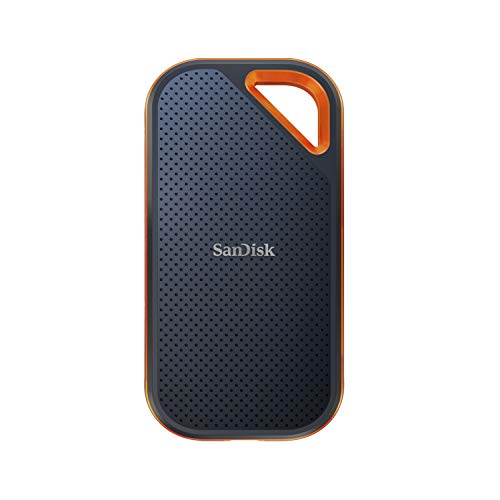
SanDisk Extreme Pro Portable SSD 2TB
Fast, rugged portable SSD that pairs perfectly with iCloud as a local backup for large video projects
For NAS beginners who want to build a proper local backup alongside iCloud, our NAS setup guide for beginners walks through everything you need to get started.

Synology DS224+ NAS
Excellent two-bay NAS for photographers and videographers who want local backup alongside iCloud
FAQ
Can iCloud replace a physical backup for my photo library?
No. iCloud is a sync service, not a true backup. If you accidentally delete a photo, it gets deleted across all your devices. Apple keeps recently deleted items for 30 days, but after that, they’re gone. Always maintain at least one local backup on an external drive or NAS alongside iCloud.
Is the 12TB iCloud+ plan enough for professional videographers?
It depends on your output. A videographer shooting 4K ProRes daily can generate 1TB or more per month. The 12TB plan buys you time, but it won’t replace a proper storage workflow with external drives and a NAS. It’s best suited as a supplementary sync layer for personal media, not as your primary archive for client work.
This article contains affiliate links. We may earn a small commission at no extra cost to you.

James Kennedy is a writer and product researcher at Drives Hero with a background in IT administration and consulting. He has hands-on experience with storage, networking, and system performance, and regularly improves and optimizes his home networking setup.