Nvme Ssd Vs Intel Ssd
NVMe SSDs and Intel SSDs serve different purposes in modern computing, with NVMe representing a high-speed interface technology while Intel produces various SSD types including both SATA and NVMe drives.
The world of solid-state drives has evolved significantly over the past decade, transforming how we think about computer storage. When comparing storage options, many users find themselves choosing between NVMe technology and Intel’s SSD offerings. However, this comparison requires clarification since NVMe refers to a communication protocol and interface, while Intel is a manufacturer that produces both traditional SATA SSDs and NVMe drives.
Understanding the fundamental differences between these technologies will help you make an informed decision based on your specific computing needs, budget constraints, and performance requirements. Whether you’re building a gaming rig, upgrading a laptop, or optimizing a workstation, the choice between different SSD technologies can significantly impact your system’s overall performance.
Understanding NVMe Technology
Non-Volatile Memory Express (NVMe) represents a revolutionary approach to storage connectivity. Unlike traditional SATA interfaces that were originally designed for spinning hard drives, NVMe was built from the ground up specifically for flash memory storage. This protocol connects directly to the CPU through PCIe lanes, bypassing the slower SATA controller entirely.
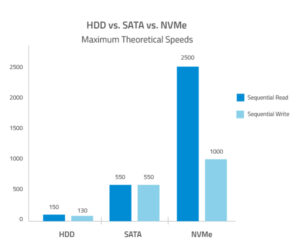
The PCIe connection allows NVMe drives to achieve sequential read speeds exceeding 7,000 MB/s in the latest PCIe 4.0 implementations, compared to SATA’s theoretical maximum of 600 MB/s. More importantly for real-world performance, NVMe drives excel in random read and write operations, which are crucial for system responsiveness, application loading, and multitasking scenarios.
NVMe drives also feature significantly lower latency compared to SATA alternatives. While SATA SSDs typically exhibit latencies around 50-100 microseconds, high-quality NVMe drives can achieve latencies as low as 10-15 microseconds. This reduction in latency translates to snappier system responses and faster file access times.
Intel’s SSD Portfolio
Intel has been a major player in the SSD market for over a decade, offering various product lines targeting different market segments. The company manufactures both SATA and NVMe drives, making it important to specify which Intel SSD type you’re considering when making comparisons.
Intel SATA SSDs
Intel’s SATA SSD lineup includes drives like the Intel SSD 545s series, which focus on reliability and consistent performance rather than peak speeds. These drives typically offer sequential read speeds around 550 MB/s and write speeds of approximately 500 MB/s. While these speeds are modest compared to NVMe drives, they represent excellent performance for everyday computing tasks.
Intel SATA SSDs often incorporate advanced error correction technologies and wear-leveling algorithms that extend drive lifespan. The company’s focus on enterprise-grade reliability has filtered down to consumer products, resulting in drives with impressive endurance ratings and consistent performance over time.
Intel NVMe SSDs
Intel also produces NVMe drives, including the Intel SSD 660p and 670p series for mainstream users, and higher-performance options for enthusiasts and professionals. These drives offer the speed benefits of NVMe technology while incorporating Intel’s reliability engineering and optimization technologies.
Intel’s NVMe offerings often feature intelligent caching systems that prioritize frequently accessed data for faster retrieval. Their drives also include power management features that help extend battery life in laptops while maintaining performance when needed.
Performance Comparison
Sequential Performance
When comparing raw sequential performance, any NVMe drive will significantly outperform Intel’s SATA offerings. Modern NVMe drives routinely achieve sequential read speeds of 3,500-7,000 MB/s, while Intel’s SATA drives max out around 550 MB/s due to interface limitations.
However, if comparing Intel’s NVMe drives to other NVMe options, the performance differences become more nuanced. Intel’s NVMe drives typically offer competitive sequential performance while often excelling in sustained write scenarios where thermal throttling might affect other drives.
Random Performance
Random performance, measured in Input/Output Operations Per Second (IOPS), shows similar patterns. NVMe drives generally deliver 10-20 times higher random IOPS compared to SATA alternatives. This translates to faster boot times, quicker application launches, and more responsive multitasking.
Intel’s SATA drives typically achieve random read IOPS in the 75,000-95,000 range, which is excellent for SATA technology. In contrast, NVMe drives commonly exceed 500,000 random read IOPS, with some high-end models reaching over 1 million IOPS.
Real-World Performance
While benchmark numbers provide useful comparisons, real-world performance depends heavily on use case scenarios. For basic computing tasks like web browsing, document editing, and media consumption, the performance difference between a quality SATA SSD and NVMe drive may not be immediately noticeable.
However, for demanding applications like video editing, 3D rendering, large file transfers, and modern gaming with DirectStorage support, NVMe drives provide tangible benefits. Game loading times can be reduced by 30-60% when moving from SATA to NVMe storage, and file transfer operations show even more dramatic improvements.
Form Factors and Compatibility
Intel SATA SSDs typically come in the familiar 2.5-inch form factor, making them compatible with most laptops and desktops that previously used traditional hard drives. This compatibility advantage makes Intel SATA drives excellent choices for upgrading older systems without requiring motherboard changes.
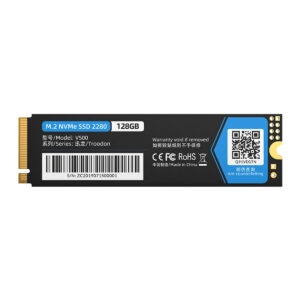
NVMe drives primarily use the M.2 form factor, which requires a compatible M.2 slot on the motherboard. Most modern motherboards include at least one M.2 slot, but older systems may lack this connectivity option. Additionally, M.2 slots can support different key types and lengths, requiring careful compatibility checking before purchase.
Some NVMe drives are also available in PCIe add-in card formats, allowing installation in systems with available PCIe slots but no M.2 connectivity. This option provides NVMe performance benefits for users with older motherboards that lack built-in M.2 support.
Power Consumption and Thermal Characteristics
Power consumption varies significantly between drive types and can impact laptop battery life. Intel SATA SSDs typically consume 2-3 watts during active use and less than 1 watt during idle states. This relatively low power consumption makes them excellent choices for ultrabooks and other battery-powered devices.
NVMe drives generally consume more power due to their higher performance capabilities, with active power consumption ranging from 3-8 watts depending on the specific drive and workload. However, many modern NVMe drives include sophisticated power management features that can reduce consumption during idle periods.
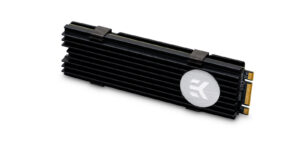
Thermal management becomes more critical with high-performance NVMe drives. These drives can generate significant heat during sustained operations, potentially leading to thermal throttling that reduces performance. Many motherboards now include M.2 heatsinks, and aftermarket cooling solutions are available for users who frequently engage in intensive storage operations.
Price and Value Considerations
Intel SATA SSDs often provide excellent value for users who prioritize reliability and consistent performance over peak speeds. These drives typically cost less per gigabyte than comparable NVMe options while offering the reliability Intel is known for in the storage market.
The NVMe market has become increasingly competitive, with prices dropping significantly over the past few years. Entry-level NVMe drives now cost only slightly more than quality SATA alternatives, making the performance upgrade increasingly attractive for new builds and major system upgrades.
When evaluating price-to-performance ratios, consider your specific use cases. Users who primarily engage in basic computing tasks may find better value in Intel SATA drives, while content creators, gamers, and power users will likely benefit from investing in NVMe technology.
Making the Right Choice
Your ideal storage solution depends on several factors including system compatibility, performance requirements, budget constraints, and intended use cases. Users upgrading older systems may find Intel SATA SSDs provide the best balance of performance improvement and compatibility, especially if their motherboards lack M.2 slots.
For new system builds or major upgrades where NVMe compatibility exists, modern NVMe drives typically offer better long-term value due to their superior performance characteristics. The speed advantages become particularly apparent in gaming systems with DirectStorage support, content creation workflows, and applications that frequently access large files.
Consider starting with a moderate-capacity NVMe drive for your operating system and frequently used applications, supplemented by larger SATA storage for bulk data if budget constraints exist. This hybrid approach maximizes system responsiveness while keeping costs reasonable.
Both Intel SATA SSDs and NVMe technology have their place in modern computing environments. Intel’s reputation for reliability makes their SATA drives excellent choices for users who prioritize stability and consistent performance, while NVMe technology provides the speed advantages needed for demanding applications and future-proofing considerations.

Harold Williams is a senior writer and technical editor at Drives Hero with 20+ years of experience in IT administration. He specializes in storage systems, SSD reviews, and performance testing, bringing real-world insight to every guide.