Does Upgrading Ssd Increase Performance
Accurate Answer
Upgrading to a larger or faster SSD can significantly increase the performance of your computer, particularly in terms of boot-up speed, file access times, and overall system responsiveness.
Explanation
The performance benefits of upgrading to a Solid State Drive (SSD) stem from the differences in how SSDs and traditional Hard Disk Drives (HDDs) operate. Here are key factors that contribute to the performance increase:
- Speed: SSDs have much faster read and write speeds compared to HDDs.
- Access Time: SSDs have nearly instantaneous data access times, whereas HDDs have to physically move a read/write head to the data location.
- Durability: SSDs have no moving parts, which makes them less susceptible to physical shock and can improve the longevity of your device.
- Silence and Energy Efficiency: SSDs are quieter and consume less power than HDDs.
For instance, if you replace a 5400 RPM HDD with a SATA III SSD, you will notice a substantial improvement in boot times, application launch times, and data transfer speeds.
Supporting Paragraph
Experience a new level of computing speed by upgrading to an SSD, as it offers a noticeable leap in performance, ensuring faster load times and a more efficient workflow.
Key Takeaway
Introduction To Ssds And Their Impact On System Performance
Introduction to SSDs and Their Impact on System Performance
Boosting a computer’s performance often hinges on storage solutions. Solid State Drives (SSDs) rank as a colossal leap forward in this realm, promising exhilarating speed increments and durability over their Hard Disk Drive (HDD) counterparts. Understanding how SSDs can revamp a system’s responsiveness and overall performance is essential for those aiming to unleash their computer’s potential.
Understanding Ssds: Technology And Principles
At the heart of SSDs lies flash memory, a non-volatile storage medium that retains data without a constant power supply. This technology eschews moving parts, leading to diminished wear and tear and a significant performance uplift. SSDs utilize intricate controllers to manage data storage, employing advanced algorithms for error correction and wear leveling, thus enhancing longevity and reliability.
- Increased Read/Write Speeds: SSDs offer faster data access and boot times.
- Durability: Without mechanical parts, SSDs are less prone to physical failure.
- Energy Efficiency: SSDs consume less power, extending battery life in laptops.
The Role Of Ssds In System Performance Enhancement
SSDs accelerate system performance dramatically. Upgrading to an SSD can minimize boot times, fast track file transfers, and enable rapid application loading. In operations involving frequent data access and writing, SSDs perform exceedingly well, cutting down on waiting times and enhancing productivity.
| Performance Aspect | HDD | SSD |
|---|---|---|
| Boot Time | Longer | Shorter |
| Data Transfer Speed | Slower | Faster |
| Energy Consumption | Higher | Lower |
| Reliability | Lower | Higher |
Games, video editing programs, and database applications, which hinge on brisk storage performance, benefit substantially from SSDs. The absence of mechanical delay facilitates a smoother, more responsive computing experience, contributing to a system’s overall speed and efficiency.
Analyzing Performance: Ssds Vs. Hdds
When evaluating computer performance, the conversation often turns to storage solutions. Two competitors stand out: Solid State Drives (SSDs) and Hard Disk Drives (HDDs). Understanding the differences in speed, durability, and efficiency between SSDs and HDDs can significantly impact a system’s overall performance. This comparative analysis sheds light on why upgrading to an SSD is a game-changer for enhancing system responsiveness and reliability.
Speed Comparisons: Access Times And Transfer Rates
The speed at which a storage device can read and write data is paramount for system performance. SSDs boast remarkable access times and higher transfer rates compared to HDDs. Here’s a breakdown:
- Access Time: SSDs have nearly instantaneous data access, generally below 0.1 ms, significantly faster than the average 5-10 ms for HDDs.
- Transfer Rate: When it comes to read/write speeds, SSDs often reach 500 MB/s and beyond, whereas HDDs tend to cap out at about 160 MB/s.
These differences are due to the lack of moving parts in SSDs, which allows for faster data retrieval—a fact that is game-changing for boot times, file transfers, and application loading.
Durability And Reliability: Ssds In Harsh Environments
Storage reliability shifts in favor of SSDs when equipment is subjected to harsher environments. Unlike HDDs, which rely on mechanical components susceptible to damage from shock or vibration, SSDs maintain data integrity even in demanding conditions. The absence of moving parts means SSDs are:
- More resistant to physical shock.
- Less prone to data loss from accidental drops or bumps.
- Durable even in extreme temperatures.
Resilience to physical stresses ensures SSDs provide not just better performance but also improved longevity and data safety.
Power Efficiency: How Ssds Can Reduce Energy Consumption
Power efficiency is another cornerstone of SSD allure. SSDs consume less energy than HDDs, leading to several benefits:
| Aspect | SSD Benefits |
|---|---|
| Battery Life | Extended operation for portable devices. |
| Heat Production | Lower heat output helps maintain system temperature. |
| Operational Costs | Reduced energy bills in data centers and offices. |
Without the need to power spinning disks, SSDs are a smart choice for mobile users and energy-conscious enterprises. They contribute to a greener footprint while improving system performance and reducing operational costs.
Factors Influencing Ssd Performance Upgrades
Among the most effective ways to revamp a sluggish computer is by upgrading the storage solution. While factors like processor and RAM are central to system performance, the role of storage media—specifically, a Solid State Drive (SSD)—is critical.
Understanding the factors that influence SSD performance upgrades can lead to significant speed improvements, and ultimately, a more efficient computing experience. Let’s explore the key elements that drive these enhancements.
Capacity And Performance: Finding The Right Balance
Choosing the perfect SSD involves more than just opting for the largest capacity within budget. Balancing capacity with performance is crucial. As SSDs become fuller, their performance can degrade. This is due to a principle called write amplification, where the SSD must erase and rewrite data more frequently as free space diminishes.
Ensuring your SSD has enough capacity to accommodate your storage needs while leaving room for this technical maneuvering is key for maintaining speed and extending the drive’s life. Selecting a drive with a Dynamic Wear Leveling algorithm helps evenly distribute data, which can aid in sustaining optimal performance.
The Impact Of Ssd Technology Evolution On Performance
An SSD’s performance isn’t static; it evolves with advancements in technology. For instance, Triple-Level Cell (TLC) NAND has enhanced storage density, thus reducing costs. However, this type of storage may slow down as it nears capacity. Comparatively, Multi-Level Cell (MLC) and Single-Level Cell (SLC) drives provide faster write speeds and greater endurance but at a higher cost.
Recent developments such as NVMe (Non-Volatile Memory Express) further drive performance leaps, offering blistering speeds compared to traditional SATA SSDs.
Interface And Connectivity: How It Affects Ssd Speed
SSD performance can hinge significantly on the interface and connectivity options available on your device. A SATA III connection offers a maximum theoretical bandwidth up to 6Gbps, which while fast, is substantially outclassed by NVMe drives that use a high-speed PCIe interface. Here, speeds reach up to a staggering 32Gbps with the latest PCIe Gen 4.0.
An additional component affecting speed is the protocol, with AHCI (Advanced Host Controller Interface) being tailored for HDDs and therefore limiting SSD speed. NVMe is designed for SSDs, allowing for higher I/O operations per second (IOPS) and lower latency.
Choosing an SSD with NVMe over PCIe Gen 4.0 will leverage the fastest available speeds, though ensure your system’s motherboard supports this technology to take full advantage of it.
Benchmarking Ssd Upgrades
An SSD upgrade can be a game-changer for your system, offering faster boot times, quicker file transfers, and overall snappier performance. However, the real question is: by how much does upgrading to an SSD increase performance? Benchmarking can provide a quantitative answer, allowing you to compare previous and current performance levels. While benchmarking SSD upgrades, there are specific tests to focus on that can demonstrate the quantitative improvements you’ll gain from the upgrade.
Choosing Benchmarks: What Tests To Perform?
Benchmarking is pivotal in measuring SSD performance gains. To fully grasp the impact of your upgrade, consider these types of benchmarks:
- Sequential Read/Write Speeds: This test measures how fast data can be written to or read from the SSD in a sequential order, which is crucial for large file operations.
- Random Read/Write Speeds: Unlike sequential speeds, this test analyzes performance during random access of data, reflecting how the SSD will perform during everyday use.
- IOPS (Input/Output Operations Per Second): A higher IOPS indicates how well an SSD can handle multiple operations, which is important for multitasking or server-use cases.
- Boot and Load Times: Timing how long your system takes to boot or load frequently-used applications can give a real-world sense of the SSD’s impact on performance.
Utilizing specialized benchmarking software can simplify this process and provide you with easily comparable figures pre- and post-SSD upgrade.
Real-world Performance: User Experiences And Case Studies
While benchmarking tests are valuable, the ultimate test comes down to user experiences. By examining case studies or collecting user feedback, we can see how SSD upgrades perform in various real-world scenarios.
Users often report a noticeable difference in day-to-day tasks, such as:
| Task | Performance Before SSD | Performance After SSD |
|---|---|---|
| System Boot-Up | Several minutes | Under 30 seconds |
| Application Launch | Noticeable delays | Near-instant |
| File Copy/Transfer | Slow, especially for large files | Significantly faster |
| Multi-tasking | Frequent lags and stutters | Smooth and responsive |
Case studies often highlight massive improvements in productivity and user satisfaction after moving from HDD to SSD. Such real-world evidence complements technical benchmarks and provides a comprehensive picture of the benefits of SSD upgrades.
Understanding The Limitations And Diminishing Returns
When considering an SSD upgrade, it’s essential to assess not just the expected performance increase but also the potential limitations and diminishing returns such an upgrade might bring. While a solid-state drive (SSD) can dramatically speed up boot times and data access, elevating overall system responsiveness, this doesn’t automatically translate into a limitless performance boost. This section delves into the factors that can curb the benefits of SSD upgrades, and circumstances where investing further in SSD technology yields marginal improvements.
Bottlenecks In System Performance Beyond Ssds
Identifying Performance Bottlenecks is crucial before proceeding with an SSD upgrade. The term ‘bottleneck’ in computing refers to the component within a system that limits performance, effectively slowing down other parts of the PC. Upgrading to an SSD can indeed be transformative, but it’s just one part of a larger system comprising the CPU, GPU, RAM, and more. If these components are outdated or inadequate for current software demands, you won’t realize the full potential of an SSD’s speed.
For example, a powerful GPU is essential for high-resolution gaming and graphics tasks, while the CPU’s capabilities can impact everything from video editing to database management. Thus, ensuring a harmonious balance between these components is pivotal to optimizing a system’s overall performance.
When Ssd Upgrades May Not Be Worth The Investment
Here are several scenarios where the advantage of upgrading to a higher capacity or faster SSD may diminish:
- Already Sufficient Speed: If your existing SSD already facilitates swift boot times and load speeds, moving to a faster SSD might only offer a negligible speed increase.
- Cost Versus Benefit: High-end SSDs come with a steep price tag. These costs might outweigh the performance benefits, especially if your system has other limiting factors.
- System Compatibility: Older motherboards may not support the latest SSD interfaces like NVMe, which means you couldn’t leverage the speed of newer SSDs even if you wanted to.
- Purpose of Usage: Users predominantly engaging in web browsing, document editing, or other non-intensive tasks might not perceive any tangible improvements with an SSD upgrade.
It’s important to conduct a cost-benefit analysis before upgrading. Sometimes, the best investment might be a comprehensive system overhaul rather than a single component upgrade. Knowing your system’s weaknesses and usage needs can lead to a more informed and satisfying purchase.
Best Practices For Ssd Upgrades
Are you pondering a solid-state drive (SSD) upgrade? An SSD can rejuvenate an old PC or turn a newer machine into a speed demon. Understanding the best practices for upgrading to an SSD can transform your computing experience, yielding faster boot times, quicker file accesses, and a more responsive system. A successful upgrade hinges on the right configuration, seamless installation, and ongoing maintenance. Let’s drill down into the essentials of upgrading your storage solution to optimize performance and reliability.
Maximizing Performance: Configuration And Optimization
Promoting peak SSD performance starts with the proper configuration and optimization. Begin with these steps:
- Ensure TRIM is enabled: This command helps to maintain the performance of the SSD over time by clearing blocks of data that are no longer in use.
- Firmware updates: Keep your SSD’s firmware up to date to fix bugs and improve performance.
- Adjust BIOS settings: Switch from legacy IDE mode to AHCI (Advanced Host Controller Interface) mode to unlock the full potential of your SSD’s speed.
Moreover, fine-tune your operating system settings to avoid unnecessary write operations, which can reduce lifespan and slow the SSD down. For Windows users, disabling indexing and SuperFetch can be beneficial.
Compatibility And Installation: Ensuring A Smooth Upgrade
A seamless upgrade to an SSD requires verifying compatibility and executing a meticulous installation:
- Check the size and interface: Ensure the SSD form factor and interface (SATA, NVMe, M.2) match your system’s specifications.
- Backup your data: Always create a complete backup before starting the upgrade process to avoid data loss.
- Clone your drive (optional): To retain your current system setup, clone your existing drive to the new SSD using cloning software.
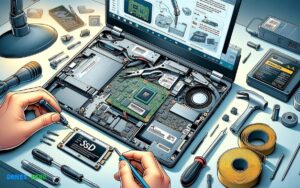
- Install the SSD: Carefully secure the SSD in place and connect it to your motherboard and power supply.
Once installed, boot up your system and select the SSD as the primary boot device in your BIOS settings.
Maintaining Ssd Health And Performance Over Time
Long-term SSD performance relies on vigilant maintenance. Implement these practices for sustained health:
- Avoid full storage capacity: Keeping your SSD below 70% capacity can prevent performance degradation and extend its lifespan.
- Monitor the drive’s health: Use tools like CrystalDiskInfo or your SSD’s proprietary software to check its health regularly.
- Limit heavy write applications: Reduce the use of applications that write excessively to the SSD.
In summary, understanding best practices for SSD upgrades involves right-sizing your expectations, ensuring compatibility, and maintaining careful upkeep. Upgrading to an SSD is a proven way to enhance your system’s performance, and these best practices will help you maximize its advantages.
Conclusion: Assessing The True Value Of Ssd Upgrades
The debate surrounding the impact of SSD upgrades on system performance comes down to a simple truth: solid-state drives offer impressive speed improvements over traditional hard drives. Yet, a crucial aspect of this discussion is the evaluation of how these benefits translate into real-world value. The advantages extend beyond mere seconds saved; they encompass aspects like energy efficiency, durability, and system responsiveness. As we delve into the nuances, it becomes clear that SSD upgrades are more than just a luxury—they are a strategic investment into the longevity and agility of computing infrastructure.
Balancing Cost And Performance Benefits
An SSD upgrade is one of the most efficient ways to breathe new life into an older computer or to turbocharge a new system. The principal gains include:
- Significantly faster boot times
- Quick application launches
- Speedier file transfers
When considering an SSD upgrade, balance the cost against potential performance gains. For instance, users who deal with large files or databases will notice a more pronounced improvement compared to those who primarily engage in web browsing.
Cost metrics show that SSD prices have been decreasing steadily, making them more accessible. It is vital to monitor price trends and to select the right moment and the right product. A well-timed upgrade can offer the best value for money while securing performance enhancements that are tangible and impactful.
Predicting The Future Of Storage Technologies
Staying abreast of evolving storage technologies is essential for making informed decisions about upgrades. The SSD market shows no signs of stagnation, with advancements like NVMe (Non-Volatile Memory Express) and 4D NAND technology promising even greater speed and capacity enhancements.
- NVMe SSDs offer faster data transfer rates compared to SATA SSDs.
- 4D NAND technology aims to increase storage density and reduce costs.
These innovations suggest that investing in an SSD now could also be a strategic move to future-proof a system. Anticipating where technology is headed allows users to maximize their investment by choosing upgrades that will continue to deliver performance benefits as new applications and software demands emerge.
| Storage Type | Speed | Cost | Future Relevance |
|---|---|---|---|
| SATA SSD | Fast | Decreasing | Moderate |
| NVMe SSD | Faster | Stable | High |
| 4D NAND | Fastest (Projected) | Expected to decrease | Highest |
Ultimately, the decision to upgrade to an SSD should consider current benefits sans overlooking the trajectory of personal or professional computing needs. By doing so, one ensures that their computing environment remains robust and capable of handling the inevitable advancements in software and applications.
Conclusion
Upgrading your SSD can be a game-changer for system performance. Swapping out older drives for newer, faster SSDs often results in quicker boot times, speedier file transfers, and overall snappier responsiveness. Investing in a solid-state drive upgrade is a smart move for anyone seeking a noticeable boost in their computer’s capabilities.
Discover the difference an SSD can make and take your digital experience to the next level.

Harold Williams is a senior writer and technical editor at Drives Hero with 20+ years of experience in IT administration. He specializes in storage systems, SSD reviews, and performance testing, bringing real-world insight to every guide.