Can You Upgrade Surface Pro 6 Ssd
Accurate answer
Yes, it is technically possible to upgrade the SSD on a Surface Pro 6, but it’s not designed to be user-serviceable. You’ll need professional skills and tools to safely perform the upgrade without damaging your device.
Explanation
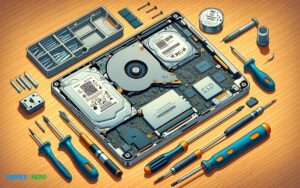
The Surface Pro 6 comes with a solid-state drive (SSD) that is integrated into the device, which Microsoft did not design for end-user replacement or upgrades. However, skilled technicians can open the device, remove the old SSD, and replace it with a new one. The process involves:
- Heating the edges of the screen to soften the adhesive that holds the display in place.
- Carefully prying the screen open without damaging it.
- Locating the SSD and unscrewing it from the motherboard.
- Replacing the old SSD with a new one that’s compatible with the Surface Pro 6.
- Reassembling the device and ensuring it functions correctly.
A successful upgrade can increase the storage capacity and potentially improve the performance of your Surface Pro 6. However, because of the complexity and risks involved, this process will void any existing warranty, and there’s a significant risk of damaging the device if not done correctly.
Supporting Paragraph
Upgrading your Surface Pro 6’s SSD requires precision and expertise, and it’s essential to weigh the benefits against the potential risks of voiding your warranty or damaging your device.
Key Takeaway
Introduction To Surface Pro 6 Upgradability
The Microsoft Surface Pro 6 is a powerhouse in the world of 2-in-1 laptops, offering a versatile experience for both work and play. As technology evolves and demands grow, users often look for ways to enhance their devices’ performance. But what about the Surface Pro 6? Discover the upgradability of your device in this informative guide.
The Surface Pro 6 Brief Overview
Launched in late 2018, the Surface Pro 6 boasts substantial improvements over its predecessors. The device features:
- High-resolution 12.3-inch display: With a 2736×1824 screen resolution for clear and vibrant visuals.
- 8th Generation Intel Core processors: Offering increased speed and performance.
- Versatility and Mobility: It converts easily from a tablet to a laptop, with a lightweight design perfect for on-the-go users.
- All day battery life: Ideal for extended work sessions without needing a charge.
Despite these excellent features, users may wonder about their ability to push the device further by upgrading the internal SSD.
Understanding The Upgradability Of Laptops And Tablets
Before plunging into the specifics of the Surface Pro 6, it’s crucial to comprehend the general landscape of laptop and tablet upgradability. Typically, these devices fall into one of two categories:
- User-serviceable models where components like RAM and storage can be easily replaced or upgraded.
- Models with soldered components that don’t offer the option for straightforward upgrades or replacements.
While many users desire to extend the lifespan and capability of their devices, a fundamental understanding of what’s feasible is key to setting realistic expectations for your Surface Pro 6’s upgradability.
Analyzing The Surface Pro 6 Architecture
The Microsoft Surface Pro 6 stands as a testament to sleek design and portable computing power. A true companion for on-the-go professionals and creative individuals alike, this device balances performance with the chic aesthetic that Microsoft has come to be known for. However, users often inquire about the potential to upgrade their devices for enhanced performance. When delving into such possibilities, understanding the internal architecture is crucial. This section explores the Surface Pro 6 components and their upgrade feasibility.
Internal Components And Build
With a meticulously crafted chassis, the Surface Pro 6 packs an impressive array of hardware. Underneath the kickstand lies:
- Processor: Intel’s 8th generation CPUs
- Memory: Up to 16GB of RAM
- Storage: Solid State Drives (SSD) in various capacities
- Battery: Providing hours of usage on a single charge
These components are housed in a compact form factor with thermals designed to optimize performance while keeping the device cool.
Official Stance On Hardware Upgrades
Microsoft designed the Surface Pro 6 with a non-modular build, which lends itself to the slim profile but at the cost of easy upgradability. The official stance from Microsoft suggests that the internal SSD is not user-serviceable, recommending that any upgrade or service needs are directed to authorized service providers. This ensures device integrity but limits the upgrade options available to users.
Community Insights And Teardowns
The repair community, including platforms like iFixit, offers a different perspective. These teardowns reveal that the Surface Pro 6 does indeed have a replaceable SSD, but accessing it is not a task for the faint-hearted. It involves the following:
- Removing the screen, which is firmly glued to the chassis
- Ensuring no components are damaged during the process
- Understanding the risks associated with voiding warranties
Community forums share a wealth of knowledge, including step-by-step guides and tips for those daring enough to attempt such upgrades. Users have reported success but also underscore the high risks and technical challenges involved.
Ssd Upgrade Possibilities For Surface Pro 6
Many Surface Pro 6 users may contemplate enhancing their device’s performance and storage capacity by upgrading its SSD. Exploring the upgrade potential of Surface Pro 6 not only requires understanding the device’s specific SSD specifications but also assessing the complexities involved in the process. This blog section dives deep into the types of SSDs utilized in Surface Pro 6, the risks of do-it-yourself (DIY) upgrades, and the advantages of seeking professional services for a successful upgrade.
The Surface Pro 6 employs a relatively uncommon SSD type, which often leads to confusion among users looking to upgrade. It features an M.2 form factor with a proprietary Surface Connect interface, which isn’t as widely available as the usual NVMe or SATA interfaces found in consumer devices. This specific design choice by Microsoft essentially denotes:
- Unique Interface: Compatibility with only select SSDs, limiting off-the-shelf options.
- Compact Design: Optimization for the sleek form factor of the Surface Pro 6.
- Performance: SSDs developed to leverage the device’s potential for speed and reliability.
Opting for a DIY SSD upgrade on the Surface Pro 6 is fraught with numerous risks and challenges. The process demands precision and technical know-how due to:
- Surface Pro 6’s non-user-serviceable design, which makes accessing the internal components a potential warranty-voiding endeavor.
- The necessity for specialized tools to safely open the device without causing irreversible damage.
- The possibility of damaging sensitive components during disassembly and reassembly, such as the screen or internal connectors.
- Data loss risks, whereby an incorrect upgrade procedure could lead to the loss of valuable data, necessitating a secure backup prior to initiation.
Consequently, users must weigh these considerations meticulously before attempting a DIY upgrade.
For those not confident in performing a DIY upgrade or those wanting to ensure the integrity of their Surface Pro 6, professional upgrade services emerge as a compelling option. These services typically offer:
| Benefit | Description |
|---|---|
| Expertise | Technicians with extensive experience and knowledge of the Surface Pro 6 internals. |
| Warranty Preservation | Some services may offer upgrades without voiding the manufacturer’s warranty. |
| Quality Components | Access to the correct SSDs that are compatible with the Surface Pro 6. |
| Data Security | Ensuring data is backed up and safely restored post-upgrade. |
Engaging professionals offers the peace of mind that comes with a guaranteed and risk-free upgrade, allowing users to capitalize on enhanced performance without the technical challenges of a DIY approach.
Step-by-step Guide To Upgrading Surface Pro 6 Ssd
Are you contemplating enhancing your Surface Pro 6 with a swift and spacious new SSD? You’ve made a smart choice, as upgrading your SSD not only boosts performance but also extends the life of your device. This guide walks you through the upgrade process meticulously, ensuring you can carry out the process with ease and confidence.
Tools And Materials Needed For The Upgrade
Before diving into the upgrade, you need to gather all the necessary tools and materials. This preparation is crucial to a successful upgrade:
- Torx T3 screwdriver
- Opening picks or a spudger
- Thermal pads (optional, suggested for heat dissipation)
- Replacement M.2 2230 SSD compatible with Surface Pro 6
- Small container for screws
- Anti-static wrist strap (for ESD safety)
- USB drive with Windows installation media
Opening The Surface Pro 6: Precautions And Techniques
Opening your Surface Pro 6 requires special attention as its components are delicate. Follow these guidelines to avoid any damage:
- Ensure the device is powered off and unplugged.
- Use the Torx T3 to remove screws from the back panel.
- Gently insert an opening pick between the display and the frame and slide it around the edges to release the clips.
- Carefully separate the display from the body without straining the connected cables.
Remember, the adhesive holding the parts together may be strong, so patience and gentle force is key.
Replacing The Ssd: Detailed Procedure
With the Surface Pro 6 open, replacing the SSD can be done in a few methodical steps:
- Identify the existing SSD and disconnect any securing elements.
- Use the Torx T3 to unfasten the SSD if necessary.
- Carefully remove the old SSD and place it in an anti-static bag.
- Align the new M.2 2230 SSD correctly, then insert and secure it.
- If thermal pads were removed, replace them to ensure proper heat conduction.
This step requires precision – ensure proper alignment to avoid bending pins or other types of damage.
Reassembly And Testing The Upgraded Surface Pro 6
After the SSD swap, reassembly involves reversing the opening steps. Be sure to:
- Reconnect any cables and reposition the display onto the body.
- Press firmly around the edges to re-engage the clips.
- Tighten the screws back into place.
Once reassembled, power up your Surface Pro 6 and use the USB drive to install Windows on the new SSD. Completing this installation, your device should now be revitalized with increased storage performance.
By following this guide, you can capitalize on a cost-effective way to boost your Surface Pro 6’s efficiency. Remember, proceed with caution and take your time through each step to ensure a seamless upgrade experience.
Software Considerations And Data Management
When considering an upgrade for your Surface Pro 6’s SSD, it is crucial to not just think about the hardware, but also the software implications. How will upgrading the SSD affect your existing data, operating system, and overall functionality of your device? Let’s delve into the steps and tips to manage your data efficiently and ensure a smooth transition to your new SSD without losing a byte of your valuable information.
Cloning Your Existing Ssd To Preserve Data
One of the most reliable ways to upgrade your Surface Pro 6 SSD without losing data is to clone your existing drive. Cloning creates an exact copy of your current SSD, including the operating system, applications, and personal files, allowing a seamless transition to a larger or faster SSD.
- Select a cloning software that supports the Surface Pro 6’s hardware.
- Create a bootable USB drive if the software requires it.
- Ensure the new SSD is properly connected and detected by the software.
- Follow the provided step-by-step instructions to proceed with the cloning process.
- After cloning, replace the old SSD with the new one inside your Surface Pro 6.
Fresh Installation Of Windows: Steps And Tips
If you prefer to start with a fresh slate, installing a new version of Windows on your Surface Pro 6 after an SSD upgrade can enhance performance. Here’s how to carry out a fresh installation:
- Backup your important files and data externally.
- Create a Windows installation media using a USB drive.
- Boot from the installation media and follow the prompts to begin installation.
- When prompted, select the “Custom: Install Windows only (advanced)” option.
- Choose the new SSD as the location to install Windows.
- Complete the installation and recover your data from the backup.
Driver Updates And System Optimization Post-upgrade
Once your new SSD is up and running, it’s important to update drivers and optimize your system:
- Navigate to Windows Update to download the latest updates.
- Visit the Surface Pro 6 support page for necessary driver updates specific to your device.
- Use Device Manager to manually update any remaining hardware drivers.
- Optimize your new SSD using Windows’ built-in tools for disk cleanup and defragmentation, keeping in mind that SSDs should not be defragmented but rather trimmed with the Optimize Drives tool.
Legal And Warranty Implications
When considering upgrading the SSD in your Surface Pro 6, it’s crucial to examine the legal and warranty implications that could arise. Microsoft has specific policies regarding what modifications can be made to their devices without affecting the warranty. Below, we delve into the intricacies of Microsoft’s warranty policy, weigh the pros and cons of voiding that warranty, and explore alternative upgrades to consider that maintain your warranty coverage.
Understanding Microsoft’s Warranty Policy
The first step before proceeding with any upgrade to your Surface Pro 6 is to understand Microsoft’s warranty policy. Microsoft offers a limited hardware warranty with its devices, generally covering defects in materials and workmanship. However, unauthorized modifications, including SSD upgrades, could potentially void this warranty. Being informed about what is covered—and what actions might invalidate that coverage—is paramount.
Voiding Warranty: Pros Vs. Cons
An SSD upgrade could lead to transformative improvements in performance, but it comes with considerable risk to your warranty coverage. Here’s a quick look at what’s at stake:
| Pros of Upgrading SSD | Cons of Upgrading SSD |
|---|---|
|
|
Deciding whether to upgrade comes down to a careful assessment of these advantages and drawbacks.
Alternative Upgrades To Consider That Maintain Warranty
Finding a middle ground between boosting performance and retaining warranty is key. Fortunately, there are warranty-safe upgrades you can consider:
- External Storage Solutions: USB drives, SD cards, or external SSDs can increase storage without opening your device.
- Cloud Storage Services: Leverage Microsoft OneDrive or other cloud platforms for additional space.
- Surface Pro Docking Station: Enhance connectivity and functionality through official accessories.
These alternative options strike a balance, giving you enhanced functionality while keeping your device’s warranty fully intact.
Conclusion: Weighing The Upgrade Benefits Against Risks
Conclusion: Weighing the Upgrade Benefits Against Risks
Entering the final lap of our discourse on upgrading the SSD in a Surface Pro 6, a comprehensive comparison of potential performance boosts against the economic and warranty implications stands paramount. Users must consider both the tangible enhancements and the possible drawbacks before proceeding with an upgrade.
Performance Gains Vs. Financial And Warranty Costs
Enhanced speed and storage capacity are the most coveted gains when considering an SSD upgrade. However, these come at a cost. Here’s a breakdown:
| Aspect | Gains | Costs |
|---|---|---|
| Performance | Quicker boot times, faster data access | |
| Financial | Price of SSD, potential tools for upgrade | |
| Warranty | Possible voiding of Microsoft warranty |
Furthermore, the risk of damaging your device during the upgrade process is a reality that could incur additional repair costs.
Making An Informed Decision: Is Upgrading The Ssd Worth It?
- Assess current device performance and your specific needs—does the Surface Pro 6 falter in delivering the required tasks?
- Analyze the financial aspect—compare the cost of the upgrade against the price of a new device offering similar SSD improvements.
- Contemplate warranty status—if your warranty is active, understand the implications of an upgrade on future support.
- Consider your technical skill—are you confident in safely executing the upgrade without professional help?
Only by thoroughly weighing these considerations can a user reach a well-informed verdict on the upgrade’s value.
Future Outlook On Modularity And Repairability Of Tablets
The call for more user-friendly repair options is growing. Industry trends suggest a shift towards modular designs enabling easier upgrades and repairs, which could tip the scales in favor of future upgrades being less risky and more economical. This evolutionary leap would not only enhance device longevity but also bolster the case for upgrading components like an SSD.
For Surface Pro 6 users, this paints a promising picture; embracing modularity may make upgrades standard practice rather than an exception fraught with caution. Such a movement aligns well with the sustainability ethos, providing an eco-friendlier alternative to frequent device replacements.
Conclusion
Upgrading the SSD on your Surface Pro 6 is a savvy move. It boosts speed and storage capabilities, crucial for both work and play. Remember, proper tools and instructions are your best allies in this endeavor. Ready for the change?
Embrace the upgrade and enjoy a revitalized device experience.

Harold Williams is a senior writer and technical editor at Drives Hero with 20+ years of experience in IT administration. He specializes in storage systems, SSD reviews, and performance testing, bringing real-world insight to every guide.