Can You Upgrade Ssd on Surface Pro 7? No!
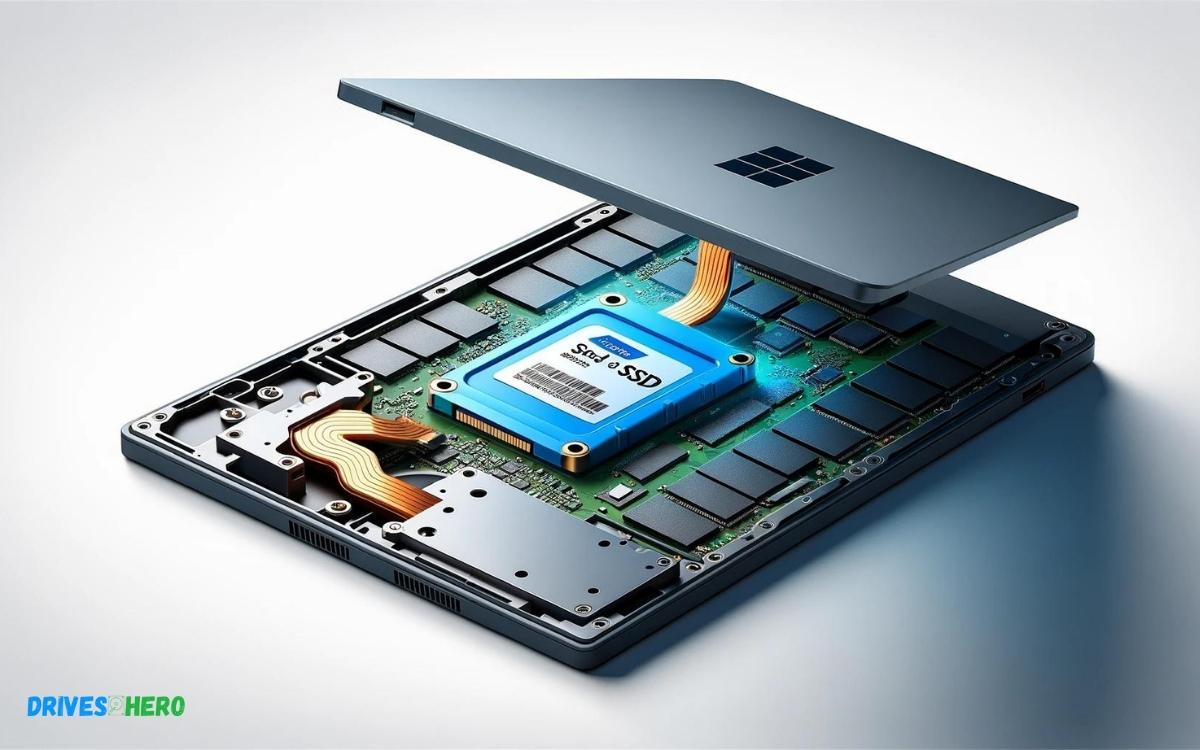
No, the SSD on the Surface Pro 7 is not designed to be user-upgradable. The device’s internal components are sealed within the chassis and Microsoft does not provide an official method for consumers to replace or upgrade the SSD.
The Microsoft Surface Pro 7 is built with portability and sleek design in mind, which often means sacrificing the ease of upgradeability.
Unlike desktop PCs or some other laptops that have easily accessible compartments for upgrading components like RAM and storage, the Surface Pro 7 does not have an easily removable SSD.
Here are some key points regarding SSD upgrade in Surface Pro 7:
Key Takeaway
Introduction To The Surface Pro 7 And Its Specifications
The Microsoft Surface Pro 7 emerges as a beacon of versatility in the dynamic world of personal computing. A synthesis of tablet convenience and laptop performance, the Surface Pro 7 is equipped for a variety of tasks, from professional work to entertainment.
Understanding the potential for upgrading its solid-state drive (SSD) is crucial for users seeking to enhance their device’s storage capabilities.
The following segment delves into the core features and components of the Surface Pro 7, preparing users to make informed decisions about potential upgrades and optimizations.
Overview Of The Surface Pro 7
The Surface Pro 7 is a state-of-the-art 2-in-1 laptop that boasts significant improvements over its predecessors. Flaunting a robust build and sleek design, it’s known for its impressive blend of power and portability.
This model presents several configurations, giving consumers the flexibility to choose according to their needs.
The highlights of the Surface Pro 7 include:
- Display: A vibrant 12.3-inch PixelSense™ touchscreen
- Processor Options: 10th Gen Intel® Core™ processors
- Operating System: Windows 10 Home
- Memory and Storage Options: Up to 16GB LPDDR4x RAM; options for 128GB, 256GB, 512GB, or 1TB SSD
- Connectivity: USB-C and USB-A ports, Wi-Fi 6, Bluetooth 5.0
- Battery Life: Up to 10.5 hours of typical device usage
Built-in Features And Hardware Components
The Surface Pro 7 is more than just a pretty screen. Users are treated to a plethora of built-in features that extend its functionality beyond expectations.
These components include:
| Feature | Description |
|---|---|
| Faces Recognition | Windows Hello face authentication camera (front-facing) |
| Cameras | Dual far-field Studio Mics; 5.0MP front-facing camera with 1080p full HD video; 8.0MP rear-facing autofocus camera with 1080p full HD video |
| Sensors | Ambient light sensor; Accelerometer; Gyroscope; Magnetometer |
| Audio | 1.6W stereo speakers with Dolby® Audio™ Premium |
| Security | Firmware TPM; Enterprise-grade protection with Windows Hello face sign-in |
For those interested in the functionality expansion capabilities of the Surface Pro 7, the crucial question remains.
With an irremovable and firmly embedded SSD component, any upgrade pursuit demands a meticulous approach and professional handling to ensure device integrity and performance endurance.
Understanding Ssds And Upgradability
When it comes to boosting the performance of your Surface Pro 7, one of the most significant upgrades is swapping out the storage device.
The introduction of Solid State Drives (SSDs) revolutionized data storage, providing faster speeds and reliability compared to traditional Hard Disk Drives (HDDs).
What Is An Ssd And Why Upgrade?
An SSD, or Solid State Drive, is a type of non-volatile storage media that stores and retrieves data using flash memory, as opposed to the spinning disks found in HDDs.
SSDs are renowned for their quicker boot times, rapid data access rates, and lower power consumption.
These attributes translate into noticeable improvements in loading applications, transferring files, and overall system responsiveness.
Upgrading to an SSD is a sought-after move for many reasons:
- Performance: SSDs deliver faster data access, which can drastically enhance the speed of your device.
- Durability: Without moving parts, SSDs are less prone to physical damage, making them ideal for mobile devices.
- Energy Efficiency: SSDs use less power, which can extend battery life in portable devices.
- Quiet Operation: SSDs operate silently, providing a more pleasant user experience.
General Upgradability Of Ssds In Tablets And Laptops
The ability to upgrade an SSD in a tablet or laptop varies by manufacturer and model. Generally, laptops are more likely to offer accessible SSD slots, enabling users to replace or add a drive.
- Tablets, including the Surface Pro series, often present more challenges due to their compact and integrated designs.
- For the Microsoft Surface Pro 7, the SSD is not intended to be user-replaceable, as it’s situated beneath the screen and is secured with strong adhesive.
- The process of removing the display to access the SSD risks damaging the unit and voiding the warranty.
- Some specialized repair shops might offer services to upgrade Surface Pro 7 SSDs, but this is not guaranteed and could still risk potential harm to the device.
Despite the obstacles, some users pursue SSD upgrades searching for enhanced performance or increased storage capacity.
Before attempting any upgrades, it’s crucial to weigh the risks against the potential benefits and consider the device’s warranty status.
Upgrading The Surface Pro 7 SSD
For Microsoft Surface Pro 7 owners, the notion of upgrading the Solid State Drive (SSD) offers a beacon of hope for enhanced performance and increased storage capacity.
This game-changing possibility breathes new life into the device, potentially extending its usefulness beyond initial expectations.
Surface Pro 7 Ssd Upgradability: Official Statements
Microsoft has made it clear that the Surface Pro 7 does indeed support SSD upgradability. This stunning development allows users to swap out their existing drives for larger, faster ones.
Authorized service providers are equipped to handle such upgrades, ensuring the continued integrity of the device.
Required Tools And Parts For Upgrading
Successful upgrades require specific tools and components. Users should secure a T5 Torx screwdriver and a pry tool for opening the device.
The replacement SSD must be an M.2 2230 NVMe SSD compatible with the Surface Pro 7’s unique hardware requirements.
Step-by-step Guide To Replacing The Ssd
- Power off the Surface Pro 7 and disconnect all peripherals.
- Place the device on a soft, static-free surface.
- Using the T5 Torx screwdriver, remove the screws from the service door.
- Gently pry open the cover to expose the SSD.
- Remove the fastening screw from the SSD.
- Slide out the original SSD delicately.
- Insert the new SSD, ensuring it’s securely seated.
- Replace the SSD’s fastening screw.
- Snap the cover back on and replace the service door screws.
This procedure must be undertaken with care to prevent any damage.
Potential Risks And Warranty Considerations
Upgrading the SSD on your own could void the warranty if not done properly. There’s a risk of damaging sensitive components, which could lead to costlier repairs or replacement.
Users are advised to seek professional assistance or consult with Microsoft’s warranty guidelines before attempting such modifications.
Alternatives To Internal Upgrades
When it’s about enhancing the functionality of your Surface Pro 7, internal upgrades are commonly sought–but often, they are not the most practical, given the device’s design constraints.
Fortunately, various alternatives can boost your device’s performance or storage without the need for internal tinkering.
Expanding Storage With External Solutions
While the Surface Pro 7 might not have an upgradeable SSD, users can easily expand their storage capacity through external solutions.
This not only circumvents the need for disassembly but also offers flexibility and portability:
- External SSDs: Compact and fast, external SSDs connect via USB-C or USB-A, providing speedy data transfer that’s ideal for large files or media.
- SD Cards: The Surface Pro 7 includes a MicroSD card slot, allowing for a convenient, albeit slower, storage extension.
- USB Flash Drives: For quick and temporary storage needs, USB drives are a straightforward option.
Each of these options allows for additional space without permanent changes to your device.
Leveraging Cloud Storage Services
Evolving technology brings forth the power of the cloud, a viable option for Surface Pro 7 users to store, access, and manage data:
- OneDrive: Seamlessly integrated with Windows, Microsoft’s OneDrive provides easy access across devices with the added benefit of Office 365 collaboration.
- Dropbox or Google Drive: Popular services that offer generous free storage and affordable upgrade options for more space.
- iCloud: For those invested in the Apple ecosystem, iCloud offers a cross-platform solution for files and photos.
These services not only clear up physical storage but also ensure your data is accessible wherever you go.
Performance Optimization Without Hardware Changes
Software tweaks can also pull weight in optimizing the performance of your Surface Pro 7:
| Optimization Technique | Benefits |
|---|---|
| System Cleanup | Regular maintenance, such as disk clean-up and defragmentation, can free up system resources. |
| Startup Management | Limiting startup programs speeds up boot times and conserves RAM. |
| Power Settings Adjustment | Optimizing for performance can enhance speed at the cost of battery life. |
By keeping the system lean and fine-tuning settings, your Surface Pro 7 can maintain its efficiency, even without hardware upgrades.
Best Practices
Embarking on the journey of upgrading your Surface Pro 7 SSD requires a blend of know-how and careful planning.
As you weigh your options, understanding the device’s upgradability and adhering to best practices for both the upgrade process and data management will be invaluable.
Summary Of Ssd Upgradability In Surface Pro 7
Investigating the SSD upgradability of the Surface Pro 7 reveals that, unlike many of its predecessors, this device offers a glimmer of customization.
- Users who take a deep dive into the technical specifications can uncover that the Surface Pro 7 has a removable SSD.
- However, it’s essential to note that the process is not intended for the casual user; it requires technical skill and precision to avoid damage to the tablet’s components.
- Microsoft suggests that upgrades should be done by professional technicians to ensure device integrity.
Best Practices For Upgrading And Data Management
Adhering to the best practices for upgrading your SSD and managing your data safeguard your device’s performance and longevity.
Please consider the following guidelines:
- Research Compatibly: Verify the type of SSD supported by Surface Pro 7 to ensure compatibility.
- Backup Your Data: Always perform a thorough backup to an external drive or cloud service to prevent data loss.
- Use the Proper Tools: Employ the recommended tools for the job to circumvent potential damage.
- Follow Safety Protocols: Ensure you work in a static-free environment and use an anti-static wristband when handling internal components.
- Keep Your Operating System Intact: Create a recovery drive beforehand for a smooth transition.
- Post-Upgrade Checks: Run diagnostic tools to confirm that the new SSD functions correctly within your system.
- Update Drivers and Firmware: After installation, ensure drivers and firmware are up-to-date for optimal performance.
Properly executing these steps will lead to an enhanced device experience with a boost in storage and performance.
As always, ensure your data management protocols are robust, including regular backups and careful data migration, so that your digital life remains secure throughout the upgrade process.
Conclusion
Upgrading your Surface Pro 7 SSD is possible with the right tools and expertise. This modification can breathe new life into your device, enhancing speed and storage capacity.
Remember, proceed with caution or seek professional assistance to ensure a smooth upgrade process. Embrace the change; your Surface Pro 7 is ready to ascend to the next performance level.

Harold Williams is a senior writer and technical editor at Drives Hero with 20+ years of experience in IT administration. He specializes in storage systems, SSD reviews, and performance testing, bringing real-world insight to every guide.