How to Upgrade Steam Deck Ssd? 10 Steps!
Upgrading your Steam Deck’s SSD can breathe new life into your portable gaming experience. Gamers seeking increased storage capacity or faster load times often consider this enhancement.
We’ll walk you through the process of upgrading the SSD in your Steam Deck. Whether you’re looking to expand your storage capacity for more games or boost your system’s performance with a faster SSD, we’ve got you covered.

Key Takeaway
Upgrading Steam Deck SSD: Step-by-Step Guide
Step 1: Gather Necessary Tools and Materials
Ensure you have the following:
- Compatible SSD for Steam Deck
- Small Phillips screwdriver
- Clean, static-free work surface
Step 2: Power Off and Prepare Steam Deck
Turn off your Steam Deck completely and disconnect any cables or peripherals.
Step 3: Locate SSD Compartment
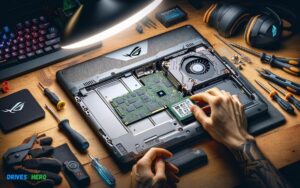
Flip your Steam Deck over and locate the SSD compartment door. It’s usually on the back of the device.
Step 4: Remove SSD Compartment Door
Use a small Phillips screwdriver to remove the screws securing the SSD compartment door. Carefully lift the door off and set it aside.
Step 5: Remove Existing SSD
Gently disconnect any cables or connectors attached to the existing SSD. Slide the SSD out of its slot, taking care not to damage any components.
Step 6: Install the New SSD
Carefully insert the new SSD into the slot previously occupied by the old one. Ensure it is properly aligned and firmly seated in place.
Step 7: Reattach SSD Compartment Door
Place the SSD compartment door back over the compartment and secure it with the screws you removed earlier.
Step 8: Power On and Verify
Power on your Steam Deck and ensure it boots up properly. Verify that the new SSD is recognized by the system.
Step 9: Format the New SSD (if necessary)
If the new SSD requires formatting, follow the on-screen prompts to format it using the Steam Deck’s built-in tools.
Step 10: Finalize and Enjoy
Once everything is in order, finalize the upgrade process by ensuring all your games and applications are accessible and working as intended. Enjoy the expanded storage capacity of your upgraded Steam Deck!
By following the step-by-step guide provided, you can seamlessly replace the existing SSD with a new one, expanding your storage capacity and enhancing your gaming experience.
Introduction To Steam Deck Upgrades
The Steam Deck is a portable gaming revolution, offering PC gaming on-the-go. But as with any tech aficionado, the itch to maximize its performance is ever-present.
Understanding how to upgrade your Steam Deck’s SSD can unleash even more potential within this handheld powerhouse.
Understanding The Steam Deck’s Base Specifications
- The foundation of any upgrade begins with knowing what you’re working with.
- The Steam Deck comes with its own set of specifications, including a custom AMD APU for processing, 16GB of LPDDR5 RAM, and depending on the model, 64GB eMMC, 256GB NVMe SSD, or 512GB NVMe SSD storage.
- The SSD is the focal point for those seeking faster load times and smoother performance.
Reasons To Consider Upgrading The Ssd
- Faster load times: Upgrading to a higher-spec SSD can significantly reduce game load times.
- Increased storage: Higher-capacity drives offer more space for games and media.
- Improved performance: An SSD with better read/write speeds can enhance overall system responsiveness.
Pre-upgrade Considerations: Warranty, Risks, And Compatibility
Before replacing the Steam Deck’s SSD, it’s crucial to acknowledge the warranty implications. Opening the device might void the warranty provided by Valve. There are risks involved; a wrong move could damage the hardware.
Self-upgrading the SSD also necessitates ensuring compatibility with required formats and sizes (2230 M.2 NVMe drives). Considering these aspects prepares you for a direct deep dive into upgrading your gaming experience.
Choosing The Right SSD for Your Steam Deck
Upgrading the SSD in your Steam Deck can unleash its full potential, securing faster load times and a better gaming experience. Selecting the appropriate SSD is pivotal for not only compatibility but also performance.
Ssd Specification Requirements For Steam Deck
It’s critical to start with understanding the SSD specification requirements for your Steam Deck.
Here’s what you need to know:
- Interface: NVMe PCIe Gen 3.0 x4 or PCIe Gen 3.0 x2 is necessary.
- Form Factor: The Steam Deck uses a 2230 M.2 module, but can accommodate the 2260 size with an extender.
- Storage Capacity: You have options ranging from 256GB up to 2TB or more, depending on your budget and needs.
- Power Consumption: Lower power consumption is preferable for extended battery life.
Comparing Brands And Models: Price, Performance, And Reviews
Price and performance vary across different brands and models, and reviews offer valuable insight.
Here’s a breakdown:
| Brand/Model | Price | Performance | User Reviews |
|---|---|---|---|
| Samsung 980 PRO | $139.99 | High | 4.8/5 |
| WD Black SN850 | $129.99 | High | 4.7/5 |
| Crucial P5 Plus | $109.99 | Medium | 4.6/5 |
Evaluate each SSD not only on cost but also on sustained write speeds, read/write cycles (endurance), and user feedback.
2260 Vs 2230 Ssds: Which Size Should You Go For?
Steam Deck accepts both 2260 and 2230 size SSDs, given the right conditions.
The key differences are:
- Size: 2260 is longer and may require a third-party extender.
- Storage: 2260 often offers higher storage options.
- Availability: 2230 is the standard for the Steam Deck, making it more accessible.
Your choice depends on whether you are seeking maximum storage capacity or a hassle-free upgrade with a direct fit.
Consider the need for additional components like extenders for the 2260 SSDs which might introduce extra steps in the installation process.
Troubleshooting Common Issues After Upgrading
Upgrading the SSD on your Steam Deck is a surefire way to enhance your gaming experience with more storage and speed. But sometimes, even the smoothest upgrade can be followed by unexpected hiccups.
Dealing With Boot Failures Or System Instability
Encountering boot failures or system instability after a new SSD installation can be quite frustrating.
If your Steam Deck refuses to boot or is showing signs of instability, consider these steps:
- Ensure all the connections are secure and that the SSD is properly seated.
- Check for any necessary firmware updates for your new SSD.
- Perform a
hard resetby holding down the power button for 10 seconds. - If issues persist, access the Recovery menu and attempt a system repair.
Resolving Detection Issues With The New Ssd
If your Steam Deck doesn’t recognize the new SSD, don’t panic. Work through the following steps to resolve detection issues:
- Power off the device and double-check that the SSD is installed correctly.
- Restart the device and enter the BIOS/UEFI settings to verify SSD recognition.
- If still undetected, consult the SSD’s manual for any unique installation requirements.
Performance Optimization And Tweaks
After installation, optimizing your new SSD is crucial for peak performance.
Implement these tweaks:
- Update your SteamOS to the latest version for optimal compatibility.
- Optimize the partition layout by ensuring proper alignment and sector size.
- Modify power management settings to take full advantage of your SSD’s speed.
When To Seek Professional Help
While many post-upgrade issues can be addressed at home, some may require an expert’s touch.
Seek professional help if:
- The SSD still isn’t detected after following the troubleshooting steps.
- You experience persistent system instability or frequent crashes.
- Performance issues continue despite optimizations.
Remember, tackling the upgrade yourself is a gratifying process, but there’s no shame in seeking help to ensure your Steam Deck operates at its best.
Conclusion
Upgrading your Steam Deck’s SSD enhances performance and gaming pleasure, ensuring a seamless experience. Taking this step equips your device with ample space for all your favorite games.
Careful adherence to guidelines ensures success. Embrace the boost and get ready for a transformative gaming journey!

Harold Williams is a senior writer and technical editor at Drives Hero with 20+ years of experience in IT administration. He specializes in storage systems, SSD reviews, and performance testing, bringing real-world insight to every guide.