Can You Upgrade Surface Book 2 Ssd
Accurate Answer
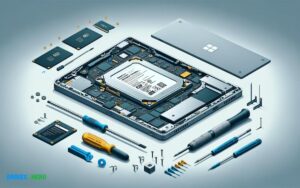
Yes, you can upgrade the SSD on a Surface Book 2, but it’s a complex process. The device is not designed for user-serviceable upgrades, so doing so may void the warranty. It’s recommended to seek professional assistance.
Explanation
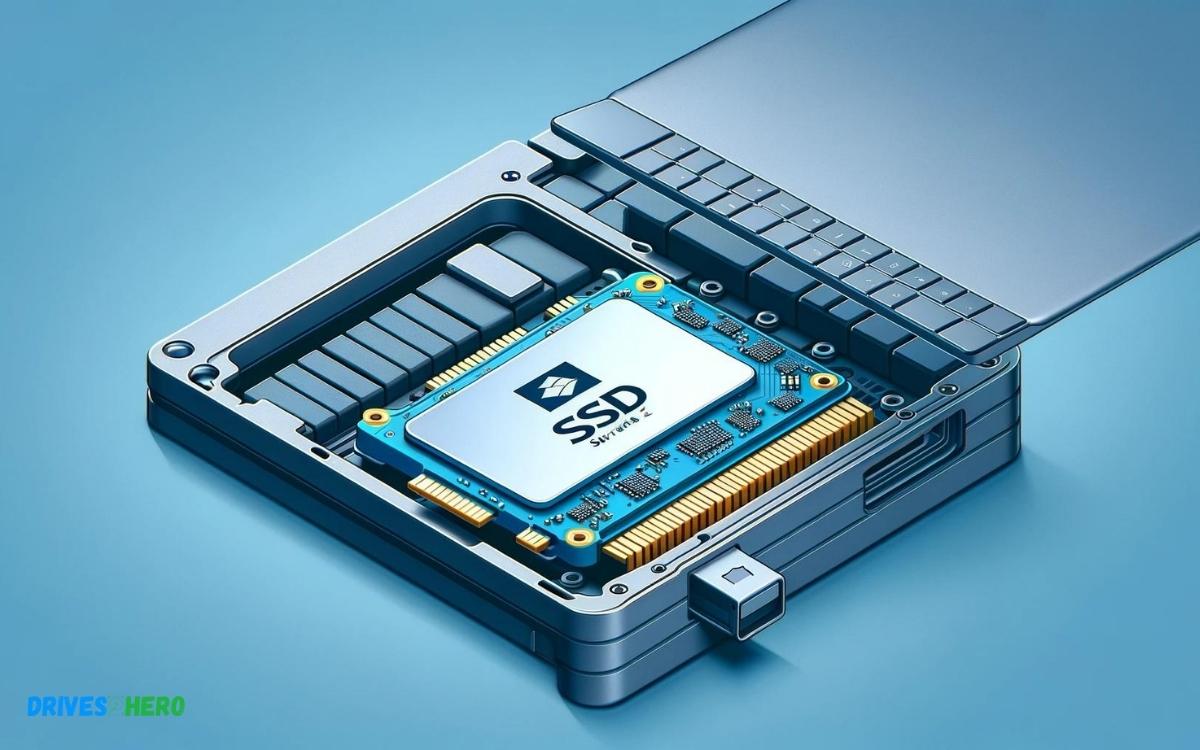
The Surface Book 2, Microsoft’s versatile 2-in-1 laptop, comes with a solid-state drive (SSD) that is technically upgradeable but not easily accessible for the average user. Unlike other laptops with dedicated access panels for upgrading storage or memory, the Surface Book 2’s components are tightly integrated and secured within the chassis. Upgrading the SSD requires special tools and expertise to carefully disassemble the device without damaging the components. The upgrade involves:
- Removing the screen from the keyboard base, which is strongly adhered and prone to cracking.
- Disconnecting various delicate cables and screws.
- Replacing the existing SSD with a new one that’s compatible with the Surface Book 2.
- Reassembling the device without damaging any internal components.
Due to these challenges, Microsoft does not officially support or recommend SSD upgrades for the Surface Book 2.
Supporting Paragraph
Upgrading your Surface Book 2 SSD is a high-risk task due to the intricate construction, but with professional help, increased storage and performance gains are possible.
Key Takeaway
Introduction To Surface Book 2’s Storage
The Microsoft Surface Book 2 remains a popular choice among professionals and creatives for its impressive versatility and computing power. A key component underpinning its performance is indeed the storage – an aspect that directly impacts the device’s speed and user experience. Here, we delve into the specifics of the Surface Book 2’s storage system, discussing its built-in SSD, potential limitations, and why capacity and speed are crucial for optimal performance.
Overview Of Surface Book 2 Specifications
The Surface Book 2 boasts remarkable specifications, positioning it as a high-performance laptop capable of handling intensive tasks. Here’s a brief overview of what this device brings to the table:
- CPU: Options including 7th Gen Intel Core i5-7300U or 8th Gen Intel Core i7-8650U
- Display: PixelSense™ display with resolutions up to 3240 x 2160 (260 PPI)
- Graphics: Intel HD Graphics 620 integrated GPU or NVIDIA discrete GPU options
- Memory: 8GB or 16GB RAM
- Ports: A selection of USB-A, USB-C, and full-size SD card reader
Inbuilt Ssd And Limitations
The internal storage of the Surface Book 2 is solid-state drive (SSD). SSD technology ensures quicker boot-ups, faster file accesses, and greater immunity to physical shock compared to traditional hard drives. However, one notable limitation is that the Surface Book 2’s SSD is not officially user-replaceable. For most models, the SSD is firmly embedded within the device, complicating upgrades. Despite this, some tech enthusiasts and professionals have managed to upgrade the storage with varying levels of success.
Importance Of Storage Capacity And Speed
When discussing the Surface Book 2, storage capacity and speed are critical. The device’s efficiency in managing workflows heavily relies on these factors:
- Storage Capacity: Larger SSDs allow for ample space to manage big projects, store multimedia files, and install various applications without constant worry about running out of space.
- Speed: High-speed SSDs contribute to better overall system performance, allowing for rapid data transfer, quick application launches, and smooth multitasking abilities.
Upgradability Of Surface Book 2 Ssd
The Microsoft Surface Book 2 offers impressive features, with specifications that cater to professionals and tech enthusiasts alike. However, those looking to upgrade the device often ask, “Can the Surface Book 2 SSD be upgraded?” Herein lies a blend of complexity and potential—the exploration into the upgradability of the Surface Book 2’s SSD is not for the faint-hearted.
Design And Construction Of The Surface Book 2
The Surface Book 2 is notably sleek and robust, courtesy of its premium design. It is built with a distinctive fulcrum hinge and high-quality materials that enhance its durability while maintaining a seamless tablet-to-laptop transition. This design, while aesthetically pleasing, presents an innate challenge to SSD upgrades due to its tightly packaged components and lack of a dedicated access panel for the SSD.
Challenges In Upgrading The Surface Book 2 Ssd
Upgrading the SSD in the Surface Book 2 is not straightforward. Here’s what you might encounter:
- Sealed chassis requiring specialized tools to open
- Risk of damaging sensitive internal components
- Voiding manufacturer’s warranty
- Finding compatible SSD replacements can be tricky
The device was not designed with upgradability as a priority, making the process more suitable for experienced technicians.
Potential Risks And Warranty Considerations
Before proceeding with an SSD upgrade on your Surface Book 2, consider these important factors:
- Warranty Status: Verify if your warranty or Microsoft Complete Protection Plan is active, which might be voided by attempting an upgrade.
- Risk of Data Loss: Ensure data backup as the upgrade process can lead to data corruption or loss.
- Component Damage: Manipulating the device’s innards without the right expertise can result in irreversible damage to the device.
Upgrades are ideally done by certified professionals who are familiar with the design and intricacies of the Surface Book 2, to minimize the associated risks.
How To Upgrade Surface Book 2 Ssd
Embarking on the journey to upgrade the Solid State Drive (SSD) in a Microsoft Surface Book 2 can rejuvenate its performance, offering faster load times and more storage capacity. Preparation is key—knowing the right tools, the steps involved, and how to get the system back up and running post-upgrade are essential for a smooth transition. For those feeling daunted, fear not; let’s break down the upgrade process into manageable steps.
Tools And Equipment Required For The Upgrade
Before diving into the upgrade process, gather the necessary tools and equipment to ensure a hassle-free experience:
- T5 Torx Screwdriver: To remove screws from the Surface Book 2.
- Spudger or Plastic Opening Tools: For gently prying and lifting cable connectors.
- Anti-Static Wrist Strap: To prevent static electricity from damaging internal components.
- High-Quality Replacement SSD: Compatible with the Surface Book 2’s specifications.
- USB Drive: For creating a recovery drive.
- Backup Storage: An external drive or cloud storage to back up existing data.
Step-by-step Guide To Replacing The Ssd
With tools at the ready, follow this step-by-step guide to replace the SSD:
- Back Up Data: Securely backup all important files to an external drive or cloud service.
- Power Off: Completely shut down the Surface Book 2.
- Create a Recovery Drive: Use a USB drive to create a recovery image of your current operating system.
- Disassemble: Begin by removing the screws from the back of the tablet section using the T5 Torx screwdriver. Use the spudger to carefully separate the screen from the keyboard base.
- Replace the SSD: Gently detach the existing SSD from its slot and replace it with the new SSD.
- Reassemble: Carefully reconnect all cables and reattach the screen to the keyboard base. Secure all screws back in place.
- Power On: Turn on the Surface Book 2 to verify that the new SSD is recognized in the BIOS/UEFI setup.
Reinstalling The Operating System And Drivers
With the new SSD installed, the final step is reinstalling the operating system (OS) and drivers:
- Boot from Recovery Drive: Insert the USB recovery drive and boot the Surface Book 2 from it.
- Install OS: Follow the on-screen instructions to reinstall Windows on the new SSD.
- Install Drivers: Certain drivers may need to be reinstalled manually. The Surface Book 2 will automatically detect and attempt to install required drivers, but checking the official Microsoft Support page for any additional drivers is recommended for optimal performance.
- Restore Data: Once the OS is set up, restore your backed-up data to the new SSD.
Success! With these significant steps completed, enjoy the elevated experience that comes with a fresh SSD—quicker startups, snappier responses, and more space for projects and files on your upgraded Surface Book 2.
Alternatives To Internal Ssd Upgrades
If you own a Microsoft Surface Book 2, you might find that over time, the initial SSD doesn’t quite keep up with your storage needs. Upgrading the internal SSD can be complex and risky. But don’t worry, there are several effective alternatives to boost your storage without opening your device. Let’s look at the ways you can enhance your data storage and device performance without the hassle.
Using External Storage Solutions
External hard drives and solid-state drives can be excellent alternatives to internal upgrades. They provide ample additional space without the need for internal modifications. Here’s how they can benefit you:
- Plug-and-Play: Instantly add storage with a simple USB connection.
- Portability: Transfer files between different devices with ease.
- Variety of Sizes: Choose the storage size that suits your needs, from a few hundred gigabytes to several terabytes.
- Speed: Modern external SSDs offer fast data transfer rates that closely match internal drives.
Cloud Storage Services For Additional Space
Cloud storage is another viable option for expanding your storage capabilities. Services like OneDrive, Google Drive, and Dropbox allow you to access your files from anywhere, on any device with an internet connection. Benefits include:
- Synchronization across devices, ensuring you always work on the latest version of your files.
- Enhanced security with encrypted file storage and recovery options.
- Subscription-based scalability, allowing you to increase storage space as needed.
Optimizing Existing Ssd Space And Performance
Instead of adding more space, you can make the most of your current SSD. Optimization tips include:
| Optimization Method | Benefits |
|---|---|
| Clean Up Unnecessary Files | Free up space by removing temporary files and unused programs. |
| Defragmentation (for HDDs) or Trimming (for SSDs) | Improve read/write speeds by organizing data efficiently. |
| Archiving Old Data | Compress and store files that are seldom used to conserve space. |
| System Maintenance | Regular updates and checks can prevent software bloat and keep your SSD running smoothly. |
By regularly maintaining your Surface Book 2’s SSD, you’ll ensure it functions at peak efficiency, potentially delaying the need for any physical hardware upgrades.
Conclusion: Weighing The Pros And Cons Of Upgrading
The decision to upgrade the SSD in your Surface Book 2 is not a straightforward one. Every upgrade comes with its set of advantages and potential pitfalls. As a Surface Book 2 user, you must assess whether the benefits align with your needs and if you are equipped to tackle the challenges. This final section of our post aims to distill the information presented thus far, helping you make an informed choice regarding the enhancement of your device’s storage solution.
Benefits Of Upgrading The Ssd
Upgrading the SSD in your Surface Book 2 offers a myriad of perks:
- Faster Boot Times: Swapping the existing SSD for a quicker variant could slash the device’s boot time significantly.
- Improved Performance: Enhanced data transfer speeds result in smoother operation, especially for demanding tasks and applications.
- Increased Storage Capacity: With a larger SSD, you can store more files, applications, and data without worrying about running out of space.
- Better Longevity: Upgrading to a modern SSD could potentially extend the useful life of your Surface Book 2.
Drawbacks And Cautionary Advice
However, the upgrade process is not without its caveats:
- Risk of Voiding Warranty: Opening your device to upgrade the SSD might void Microsoft’s warranty.
- Complexity: The Surface Book 2 is not designed for user-serviceable upgrades, making the process complex and risky.
- Cost: High-quality SSDs come with a price tag, which could be a considerable investment.
Therefore, careful contemplation and possibly professional assistance are necessary when deciding to carry out the upgrade.
Final Recommendations For Surface Book 2 Users
For Surface Book 2 users contemplating an SSD upgrade, consider these final recommendations:
| Action | Recommendation |
|---|---|
| Evaluating Need | Assess whether the performance boost is worth the upgrade’s cost and potential risks. |
| Professional Service | Engage with a certified technician if unsure about the technical requirements. |
| Data Safety | Ensure you back up all essential data before proceeding with any hardware modifications. |
Keep in mind the original intent and usage patterns of your Surface Book 2. If you primarily engage in tasks that benefit from faster storage and you are amenable to the possible challenges, an SSD upgrade could revitalize your device. However, if the current performance suffices for your daily activities, it might be prudent to maintain the status quo.
Conclusion
Upgrading your Surface Book 2 SSD is indeed possible, but it requires precision and the right tools. By carefully following the steps outlined, you can boost your device’s performance and storage capacity. Always remember to back up your data and, if in doubt, consult with a professional to avoid potential risks.
With your new SSD, your Surface Book 2 will feel like a brand-new machine.

Harold Williams is a senior writer and technical editor at Drives Hero with 20+ years of experience in IT administration. He specializes in storage systems, SSD reviews, and performance testing, bringing real-world insight to every guide.