Can You Upgrade Imac Ssd? Yes!
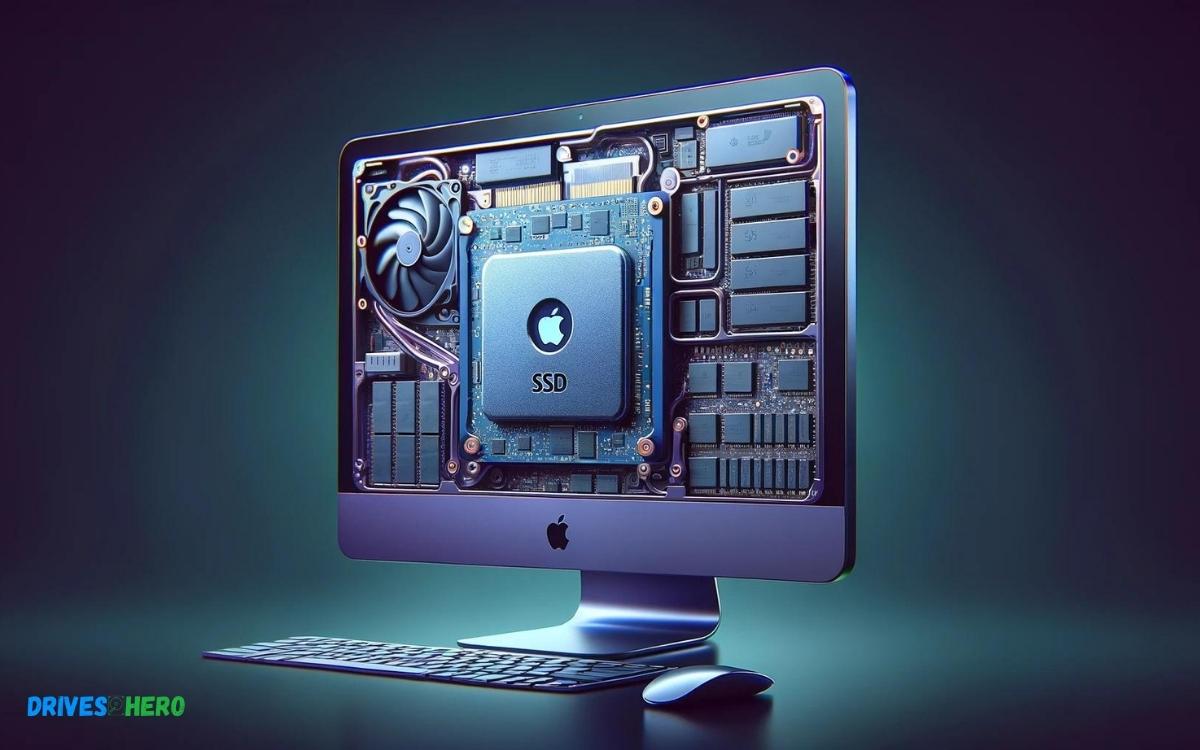
Yes, you can upgrade the SSD in many iMac models, but the level of difficulty varies significantly depending on the year and model of the iMac.
Some models feature user-accessible upgrade slots, while others may require disassembly of the iMac to reach the SSD.
iMac SSD upgrades can range from straightforward to complex:
It’s critical to check the specific model’s upgradeability before proceeding and to consider the warranty implications of self-upgrades.
Before attempting an iMac SSD upgrade, ensure you have the correct tools and follow a reliable guide to avoid damaging your device.
Key Takeaway
Understanding The iMac’s Upgrade Path
When it comes to upgrading an iMac, many users might find themselves a bit lost in the complexity of Apple’s hardware design.
Whether you’re a creative professional yearning for more speed or a casual user looking for increased storage capacity, understanding the iMac’s upgrade path is essential. This upgrade journey varies significantly across different models and production years.
Analyzing The Imac Model And Year
The starting point for any upgrade is an accurate understanding of your iMac model and its production year. Apple’s iMac series has seen numerous revisions, and each comes with unique hardware configurations.
Tools and system information can confirm the exact model, often located under the “About This Mac” section. Carefully note the serial number, which will help identify crucial details, such as compatibility and the type of SSD used.
Exploring Apple’s Stance On User Upgrades
Historically, Apple has maintained a tight grip on the upgradability of its products, advocating for professional service interventions rather than encouraging DIY upgrades.
User upgrades can potentially void warranties or lead to system damage if not done correctly. Therefore, for anyone embarking on this upgrade path, it’s mandatory to consider the impact of such actions on the device’s warranty and support status.
Comparing Imac Generations: Soldered Vs. Modular Ssds
The iMac’s internal architecture has evolved with each generation. Key distinctions exist between older, more modular designs, and newer models with soldered components.
For instance, some pre-2015 iMacs have user-replaceable SSDs. On the flip side, recent models tend to have soldered SSDs, making upgrades challenging and sometimes impossible without professional help.
To understand what lies inside your iMac, consider the following comparison:
| Generation | Type of SSD | Upgrade Difficulty |
|---|---|---|
| Pre-2015 | Modular | Doable with proper tools and knowledge |
| 2015 onwards | Soldered | Requires professional service |
Appropriate research is crucial before deciding to upgrade. Users with modular SSDs can find a variety of compatible SSDs and potentially perform the upgrade themselves or with minimal help.
However, for models with soldered SSDs, upgrades are restricted and usually demand an Apple-authorized service provider.
Assessing The Feasibility And Risks Of Upgrading The Imac Ssd
If upgrading the solid-state drive (SSD) in your iMac is on your tech to-do list, it’s crucial to assess both the feasibility and the risks involved before proceeding.
Not all iMac models support SSD upgrades, and even when they do, the process can be complicated and fraught with potential issues that could affect your system’s performance or warranty.
The Technical Challenges Involved In Ssd Upgrades
SSD upgrades in an iMac present several technical challenges. Earlier iMac models (Pre-2013) are generally easier to upgrade because they were designed with user-replaceable hard drives in mind.
However, newer models (2014 and later) often require special tools and expertise due to their retina displays and highly integrated components.
One must consider the device’s compatibility with third-party SSDs and the complex process of safely opening the iMac without damaging the display or the internal components.
Potential Risks: Warranty And Hardware Concerns
One major consideration is the risk to your warranty. Upgrading your iMac’s SSD can potentially void the Apple warranty or AppleCare+ plan.
This means any future problems may not be covered by Apple, leading to costly out-of-pocket repairs. Hardware concerns are also paramount; incompatible SSDs can lead to issues such as data corruption or system instability.
Any static damage or mishandling of internal components during the upgrade process could result in irreversible damage to your iMac.
Tools And Precautions: What You’ll Need For The Upgrade
Attempting an SSD upgrade requires a precision toolkit and an ESD (Electrostatic Discharge) mat to prevent damaging the computer’s internals.
Some necessary tools include:
- P5 Pentalobe screwdriver
- T8 or T10 Torx screwdrivers
- Plastic pry tools for opening the case
- Suction cups for lifting the glass on older models
- Adhesive strips for resealing the display on newer models
It is critical to back up your data before attempting any hardware modifications. Ensure you have a complete Time Machine backup or clone of your current SSD to maintain data integrity.
For those not comfortable with a DIY approach, seeking assistance from a certified technician is strongly advised to mitigate the risks associated with the upgrade process.
Step-by-step Guide To Upgrading Your Imac Ssd
An iMac’s impressive performance can be taken to new heights with a Solid State Drive (SSD) upgrade. Whether your current drive is full, or you’re looking for a speed boost, upgrading your iMac SSD is a worthwhile endeavor.
With the right tools and a careful approach, you can breathe new life into your machine. Our step-by-step guide walks you through the entire process, ensuring that even the most novice of users can carry out this DIY project with confidence.
Preparation: Backing Up Your Data
Before embarking on any hardware modification endeavors, securing your data is paramount.
Here’s how to back up your iMac efficiently:
- Connect an external drive or Time Capsule to your iMac.
- Open Time Machine from System Preferences.
- Select Back Up Now to begin the backup process.
- Ensure the process is completed before proceeding with the SSD upgrade.
Having a full backup mitigates the risk of data loss during the upgrade process.
Opening The Imac: A Guided Approach
Gaining access to the internals of your iMac requires precision and caution.
The following steps will guide you:
- Unplug all cables and lay the iMac face down on a soft surface to avoid scratching.
- Use a specialized iMac Opening Tool to carefully cut through the adhesive around the edges of the screen.
- Gently lift the screen, starting from the top, to expose the internal components.
- Disconnect the cables that attach the screen to the logic board.
- Remove the screen and set it aside in a safe location.
Remember, patience and gentleness are key to preventing any damage to your iMac.
Replacing The Ssd: Detailed Instructions
The heart of the upgrade process is the actual SSD replacement:
| Step | Action | Tools Needed |
|---|---|---|
| 1. | Identify the current SSD location and the securing mechanism. | Torx screwdrivers |
| 2. | Unscrew and remove the existing SSD. | Non-magnetic tweezers |
| 3. | Align the new SSD with the slot and gently slide it into place. | None |
| 4. | Secure the new SSD with the original screws. | Torx screwdrivers |
With the new SSD installed, carefully reattach the screen and seal the edges with new adhesive strips. Finally, power up your iMac to initiate the system setup or data restoration process.
Alternative Solutions And Considerations
When it comes to upgrading an iMac, replacing the internal SSD can be challenging due to the specialized hardware and the risk of voiding your warranty.
However, users seeking enhanced performance or additional storage have alternative solutions and considerations.
Using External Drives As An Alternative
External drives provide a straightforward and non-invasive solution to expand your iMac storage.
Here’s why they might just be the right choice:
- Plug-and-Play: Simply connect the drive and you’re ready to go, no technical expertise needed.
- Portability: Easily transfer data between different devices or locations.
- Versatility: Available in SSD and HDD formats to suit various budget and performance needs.
By opting for a high-speed external SSD, you can achieve almost the same level of performance as an internal drive upgrade for tasks like video editing, gaming, or transferring large files.
The Role Of Cloud Storage For Imac Users
Cloud storage presents a modern solution for storage woes.
With an Internet connection, iMac users can access a range of benefits:
- Accessibility: Reach your files from any device, anywhere, at any time.
- Backup: Automatic syncing ensures your data is safe and up-to-date.
- Collaboration: Ease of sharing and collaborating on documents in real-time with colleagues.
Services like iCloud, Dropbox, and Google Drive integrate seamlessly with macOS, making them excellent options for users who prioritize convenience and accessibility.
Considering Professional Upgrade Services
Professional upgrade services can be the middle ground for users reluctant to take the DIY path but still wanting an internal upgrade.
Here’s what they offer:
- Expertise: Skilled technicians with experience in iMac upgrades.
- Reliability: Use of high-quality components that are compatible with your iMac.
- Warranty: Service providers may offer their own warranty on the upgrade.
Enlisting a professional can ensure your upgrade is performed correctly while potentially preserving your original Apple warranty, depending on the service’s terms.
Post-upgrade Steps And Performance Optimization
Once you have completed your iMac SSD upgrade, your journey towards enhancing your computer’s performance is just beginning.
Post-upgrade steps and performance optimization are crucial parts of the process, ensuring that your shiny new SSD is functioning at its best and that your iMac is running smoother than ever.
This final stretch includes a series of checks and tweaks to extract the full potential of your hardware upgrade.
Testing The New Ssd: Ensuring Reliability
First and foremost, it is vital to test the new SSD to confirm its reliability. A successful SSD upgrade is not only about the installation but also ensuring that the drive is free of errors and compatible with your iMac. Use disk utility tools to conduct a thorough analysis for any issues.
Keep an eye out for the following:
- Read and Write Speeds: Verify they match the specifications for your new SSD.
- SMART Status: Check the Self-Monitoring, Analysis, and Reporting Technology status to ensure the SSD’s health.
- Temperature: Monitor to prevent overheating, which can indicate improper installation or SSD failure.
Optimizing Your Imac’s Performance Post-upgrade
With a successful installation confirmed, it’s time to optimize. Tweaking a few settings can enhance your iMac’s performance significantly.
Consider the following optimizations:
- Enable TRIM support to manage the SSD’s unused data blocks.
- Adjust energy settings for better SSD efficiency.
- Disable unnecessary startup items that can slow down boot time.
These post-installation optimizations ensure peak performance and can lead to a noticeable boost in the speed and responsiveness of your iMac.
Recovery And Restoration Of Data
The final step in the upgrade process involves recovering and restoring your data. Whether you’re starting fresh or importing data from a backup, maintaining data integrity is essential. Use a time-machine backup or a cloned drive to restore your files.
Here’s a simple checklist to guide you:
| Task | Description |
|---|---|
| Backup Verification | Ensure your backup is complete and up to date. |
| Data Restoration | Use Migration Assistant or another method to transfer your data. |
| System Update | After restoration, update your system to the latest macOS. |
| Application Check | Verify all applications are working and update if necessary. |
Post-upgrade, you’ll notice a remarkable difference in performance faster boot times, quicker file accesses, and a more responsive system overall. These steps ensure that your transition to an SSD-powered iMac is smooth and maximizes your investment.
Conclusion
Upgrading your iMac SSD is a game-changer for performance boosts. With the right tools and guidance, embracing this enhancement can breathe new life into your Mac.
Remember to back up your data for a seamless transition.

Harold Williams is a senior writer and technical editor at Drives Hero with 20+ years of experience in IT administration. He specializes in storage systems, SSD reviews, and performance testing, bringing real-world insight to every guide.