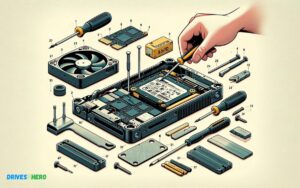
Can You Upgrade Ssd on Mac Mini 2018? Yes!
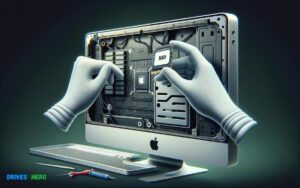
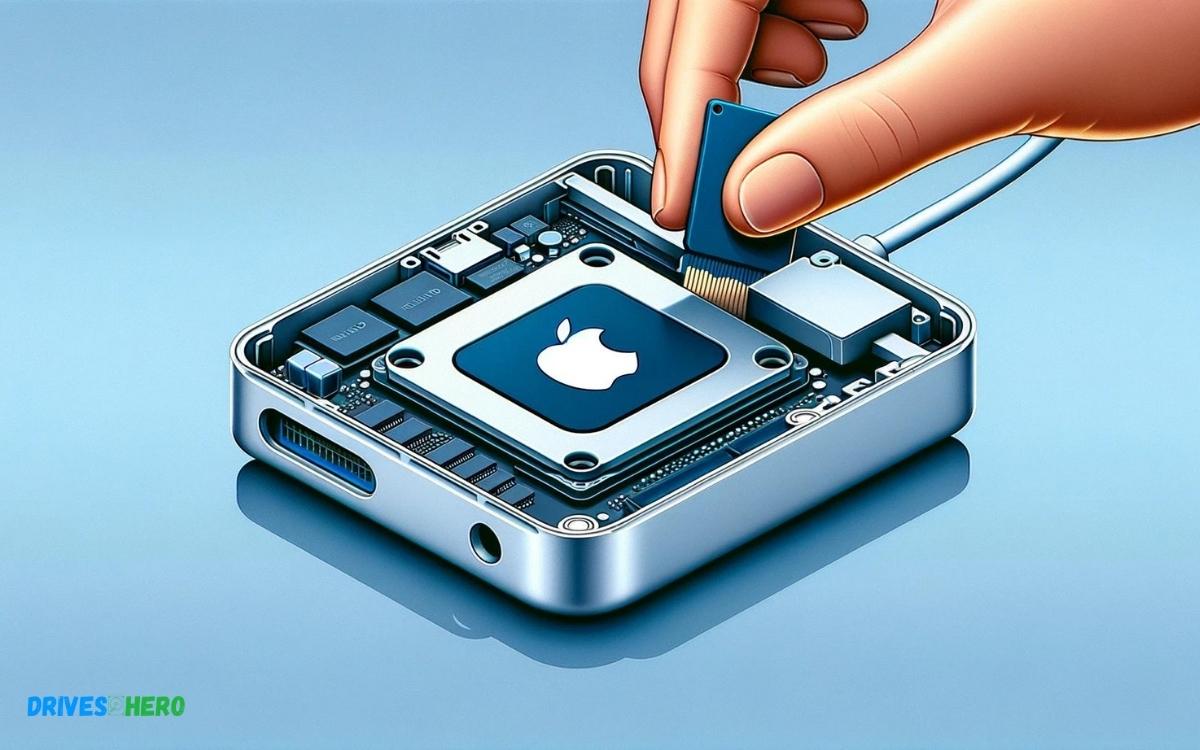
Yes, the SSD on the Mac Mini 2018 is not user-upgradeable as it is soldered directly onto the motherboard. However, professional upgrade services are available, though they may void Apple’s warranty.
The Mac Mini 2018 comes with solid-state drives (SSDs) that are not designed to be replaced or upgraded by the end user.
Unlike earlier models that featured removable drives, the 2018 Mac Mini’s storage is integrated into the logic board, making upgrades more complex and risky.
Here are a few key points to consider:
While you can’t easily upgrade the Mac Mini 2018’s SSD yourself, external storage options provide a simple and effective way to expand your Mac’s storage capacity.
Key Takeaway
Introduction To The Mac Mini 2018 SSD Architecture
Exploring the heart of the 2018 Mac Mini reveals a machine designed with modern computing demands in mind.
The Solid-State Drive (SSD) architecture of this compact yet powerful desktop is a foundational element that delivers the lightning-fast responsiveness and robust performance that creative professionals and everyday users alike have come to expect.
The introduction of SSD technology in the Mac Mini 2018 is more than just a hardware upgrade; it’s a transformative shift that catapults the device’s capabilities into the realm of high-performing computers.
Overview Of The Mac Mini 2018
The Mac Mini 2018, Apple’s sleek reinvention of its smallest desktop, boasts a significant leap in performance.
With eighth-generation Intel processors and ample room for memory expansion, this device packs a punch. The unassuming exterior belies a powerhouse that can handle intense workloads, from video editing to software development.
But beneath the surface, the SSD architecture holds the key to its brisk efficiency. The integration of high-speed storage not only improves boot times and application launches but also serves as the linchpin for overall system performance.
The Role Of Ssd In Mac Mini Performance
The transition to SSD storage in the Mac Mini 2018 was a game-changer. The speed of an SSD compared to a traditional spinning hard drive is akin to the difference between sprinting and walking.
Data retrieval times shrink, application performance skyrockets and multitasking becomes smoother and more seamless. The non-volatile storage in SSDs ensures data is stored securely, enhancing the device’s reliability and stability.
Coupled with the T2 security chip for on-the-fly data encryption, the SSD elevates both the safety and the swiftness of data handling in the Mac Mini 2018.
Understanding The Upgrade Possibilities
The Mac Mini 2018 arrived with impressive benchmarks and a promise of better performance. Yet, power users and enthusiasts often ponder about pushing the machine’s capabilities even further.
Factory Configuration Versus Upgrade Potential
When you purchase a Mac Mini, the internal components are configured to work seamlessly with the system.
While Apple suggests that the SSD is not user-replaceable, tech-savvy users explore beyond the factory settings to boost their machine’s potential.
- SSD soldered to the logic board: The 2018 Mac Mini comes with its SSD directly soldered onto the logic board, making straightforward upgrades challenging.
- Potential for external expansion: Despite this, users can make use of external SSDs through Thunderbolt 3 ports, thus adding both storage and speed without altering internal components.
T2 Security Chip And Its Impact On Upgrades
The introduction of the T2 Security Chip in the 2018 Mac Mini creates a new layer of complexity for upgrades.
This chip integrates several controllers and includes a secure enclave that manages Touch ID data and encrypted storage capabilities, thus influencing:
- SSD encryption: With the T2 chip, the SSD encryption is tied to the hardware, meaning that swapping the SSD on your own could result in a non-bootable system.
- DIY upgrade limitations: Due to the integration of the T2 chip, any internal hardware modifications can potentially bric your system, signaling users to approach upgrades with caution.
User Reports And Success Stories
Despite the odds, some intrepid users have shared success stories of upgrading their Mac Mini 2018 SSDs.
These cases provide insight into what might be possible:
| User Experience | Outcome | Difficulty |
|---|---|---|
| External SSD via Thunderbolt 3 | Positive | Easy |
| Internal SSD swap with specialized tools and software | Mixed results | Highly complex |
While some have achieved internal SSD swaps, this often requires specialized tools and software, and success isn’t guaranteed.
For most users, external SSD upgrades are the recommended and safer path to improve their Mac Mini’s performance.
Step-by-step Guide To Upgrading SSD in A Mac Mini 2018
Analyzing The Risks And Warranty Considerations
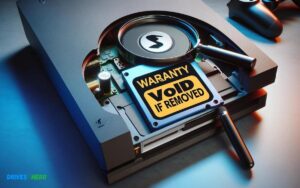
Upgrading the SSD in your Mac Mini 2018 is no small feat and comes with its share of risks. Before proceeding, understand that opening your Mac Mini may void any existing warranty.
It’s crucial to review Apple’s warranty terms or consider seeking professional assistance if your device is still under warranty. Keep in mind that any damage incurred during self-installation is likely not covered by AppleCare.
Required Tools And Preparations For Ssd Upgrade
Success hinges on proper preparation.
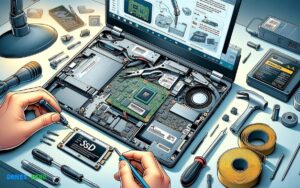
Gather the following essential tools before beginning the upgrade:
- TR6 Torx Security Screwdriver
- T10 Torx Screwdriver
- P5 Pentalobe Screwdriver
- Spudger or Plastic Pry Tool
- Antistatic Wrist Strap (recommended)
Ensure you have a clean and static-free workspace. Backing up your data is imperative to prevent any loss during the upgrade process. Using an antistatic wrist strap helps to avoid damaging the Mac Mini’s internal components with static electricity.
Detailed Walkthrough Of The SSD upgrade Process
Follow these steps carefully:
- Power down the Mac Mini and unplug all cables.
- Open the device by turning over the Mac Mini and twisting the bottom cover counterclockwise.
- Using the TR6 Torx Security Screwdriver, remove the antenna plate. Be cautious of the antenna cable connected to it.
- Detach the fan using the T10 Torx Screwdriver and disconnect its cable with a spudger.
- Remove the main logic board. Carefully disconnect all cables, removing any screw that holds the logic board in place.
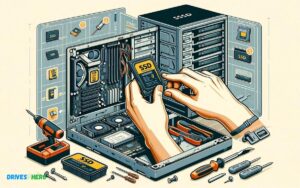
- With the logic board out, locate the SSD. Use the P5 Pentalobe Screwdriver to unscrew the SSD and gently remove it.
- Install the new SSD by placing it in the slot and securing it with the screw.
- Reassemble your Mac Mini by reversing the disassembly steps.
Upon completion, power up your Mac Mini. You may need to format the new SSD and reinstall macOS. Make sure to restore your data from the backup you created earlier.
Alternative Solutions For Enhanced Storage
When it comes to upgrading your 2018 Mac Mini, the internal SSD might not be the most straightforward component to replace. But fear not, as there are alternative solutions for enhancing your storage capacity.
These options not only offer flexibility but can also provide additional benefits such as portability, ease of access, and even improved collaboration.
External Ssd Options And Performance
One of the most effective ways to enhance your Mac Mini’s storage is by employing external SSDs (Solid State Drives).
They come in various sizes and connectors, with USB-C and Thunderbolt 3 being the most popular due to their high transfer speeds.
Attaching an external SSD to your Mac Mini can lead to a significant boost in performance, especially if you choose drives that support Thunderbolt 3, offering speeds up to 40Gb/s.
- Samsung T5: Known for its compact size and robust performance
- Sandisk Extreme Portable: Offers high durability for users on the go
- G-Technology G-Drive: A favorite among creative professionals for its higher storage capacities
When selecting an external SSD, consider the read and write speeds, as well as the durability and form factor to ensure it meets your specific needs.
Utilizing Network-attached Storage (NAS)
- Network-attached storage, or NAS, provides another avenue for Mac Mini owners to expand their storage possibilities.
- NAS systems are connected to your home or office network, offering easy access to large amounts of data across all connected devices.
- This makes NAS an ideal solution for users with multiple devices or those who need to access and share files collaboratively.
Popular NAS brands like Synology and QNAP provide user-friendly interfaces and support applications that can enhance your workflow.
With features such as automated backups, media streaming, and file syncing, a NAS can serve as the backbone of your home or office data management.
The Role Of Cloud Storage For Mac Mini Users
Cloud storage options present a virtually boundless arena for storage expansion. Services like iCloud, Dropbox, and Google Drive integrate seamlessly with MacOS, allowing Mac Mini users to store and access files remotely.
The advantages include:
- Access from anywhere: Your files are not tethered to a single device.
- Enhanced collaboration: Share and edit documents with your team in real-time.
- Data protection: Cloud providers often have robust security and regular backups.
In terms of performance, while you won’t achieve the same speeds as an external SSD or NAS, the versatility and ease of access can offset that difference, especially for users who frequently work on multiple devices or value accessibility over raw speed.
Final Thoughts And Recommendations
The idea of upgrading the SSD on a Mac Mini 2018 may seem daunting at first. Nevertheless, with a bit of research and an understanding of the benefits and restrictions, you can make a well-informed decision.
Evaluating The Cost-benefit Of SSD Upgrades
Understanding the value of SSD upgrades means weighing the costs against the performance gains. An SSD upgrade can notably boost your Mac Mini’s speed, efficiency, and overall performance.
Before proceeding, consider the following aspects:
- Current SSD Capacity: Is your Mac Mini running out of space frequently?
- Performance Requirements: Do you need faster data transfer for your tasks?
- Upgrade Costs: Can you manage the investment compared to buying a new system?
While a new SSD can significantly increase the speed and storage capacity, it is essential to match your needs with the cost involved in upgrading.
Best Practices For Mac Mini Storage Management
The way you manage storage on your Mac Mini can have a substantial impact on its performance and lifespan.
Here are some best practices for storage management:
- Regular Cleanups: Use tools to remove unnecessary files and apps.
- External Storage: Consider external drives for infrequently accessed files.
- Cloud Services: Leverage cloud storage options to save space locally.
These management strategies not only optimize the available space but enhance your Mac Mini’s functionality, delaying the need for costly upgrades.
When To Consider Professional Upgrade Services
Replacing the SSD in a Mac Mini 2018 is not a straightforward process, and there’s a risk of damaging your device if done incorrectly.
Here are scenarios when you should opt for professional upgrade services:
- Lack of Technical Expertise: If you’re not confident in your technical skills, professionals can ensure a smooth upgrade.
- Warranty Concerns: To avoid voiding your warranty, have an authorized service provider perform the upgrade.
- Time Constraints: Professional services can save you valuable time and hassle.
Considering these factors, seeking a professional’s help might be the wise and safe route for your Mac Mini SSD upgrade.
Ultimately, an SSD upgrade can be a great way to extend the life of your Mac Mini 2018. Weigh the potential benefits against the costs involved and align them with your performance needs.
For those wary of the technicalities, remember that professional services are available to make the process as smooth and risk-free as possible.
Conclusion
Upgrading the SSD in your 2018 Mac Mini is indeed possible, with patience and the right tools.
Delving into the system, the flexibility for enhancement breathes new life into your machine. Remember, compatibility and data safety are paramount.

Harold Williams is a senior writer and technical editor at Drives Hero with 20+ years of experience in IT administration. He specializes in storage systems, SSD reviews, and performance testing, bringing real-world insight to every guide.